Home EV Charging Station Cost: A Complete Guide to 2026 Rebates and Installation
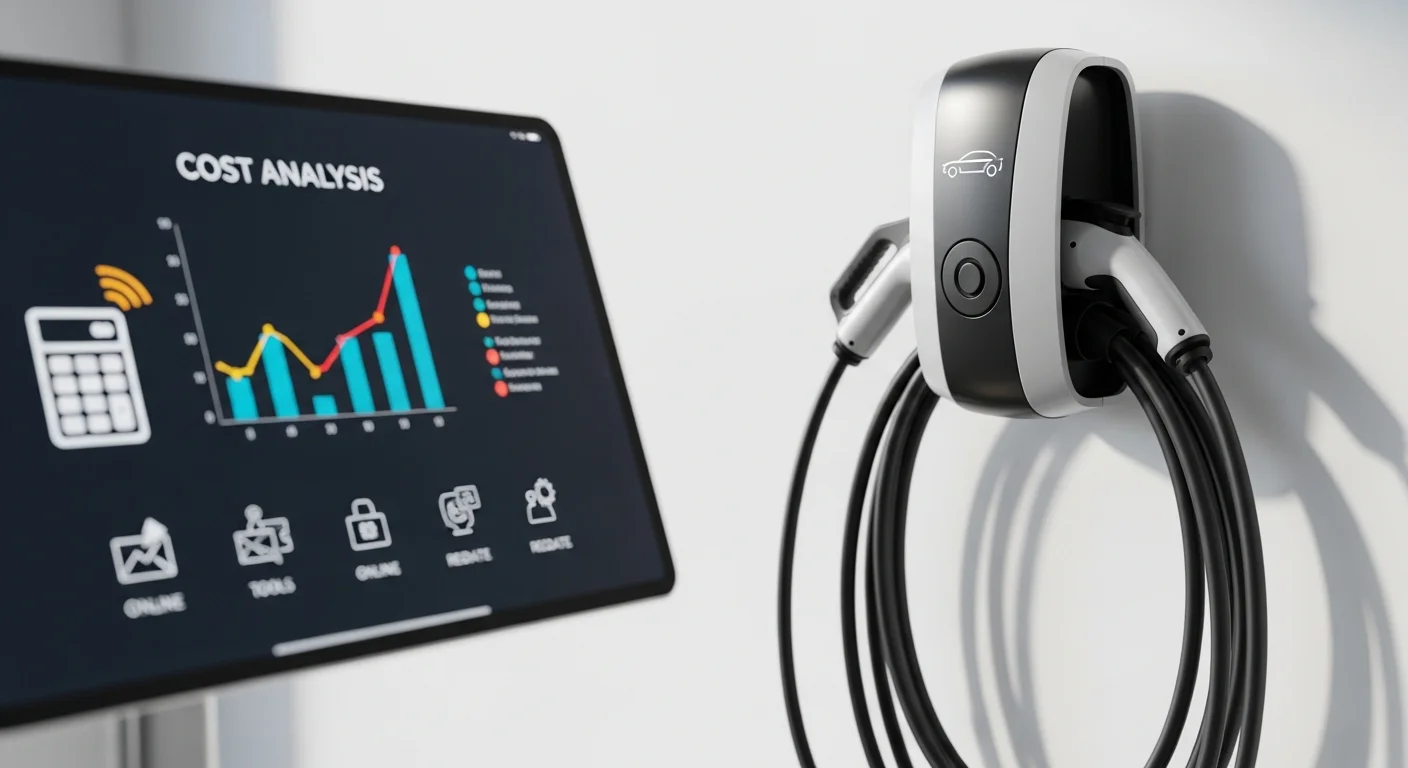
Key Takeaways
- Level 2 charging remains the standard for efficient home refueling in 2026
- Federal and California-specific rebates can offset up to fifty percent of installation costs
- Electrical panel upgrades are the most common variable in total project pricing
- Smart charging features allow homeowners to take advantage of off-peak utility rates
As we move through the Winter 2026 season, the transition to sustainable transportation has reached an all-time high. For many homeowners, the primary hurdle isn't choosing the vehicle, but rather selecting the right ev car charger to ensure their garage is ready for daily use. Navigating the complexities of electrical permits, hardware compatibility, and labor costs requires a clear roadmap.
Investing in home infrastructure is about more than just convenience; it is about future-proofing your property. With new utility programs emerging this year, understanding the technical and financial landscape is essential. This guide breaks down everything from hardware selection to the lucrative incentives available to California residents in 2026.
Want to see how much you can save on your installation?
Calculate Your Savings Now →Understanding Home EV Charging Station Cost Factors
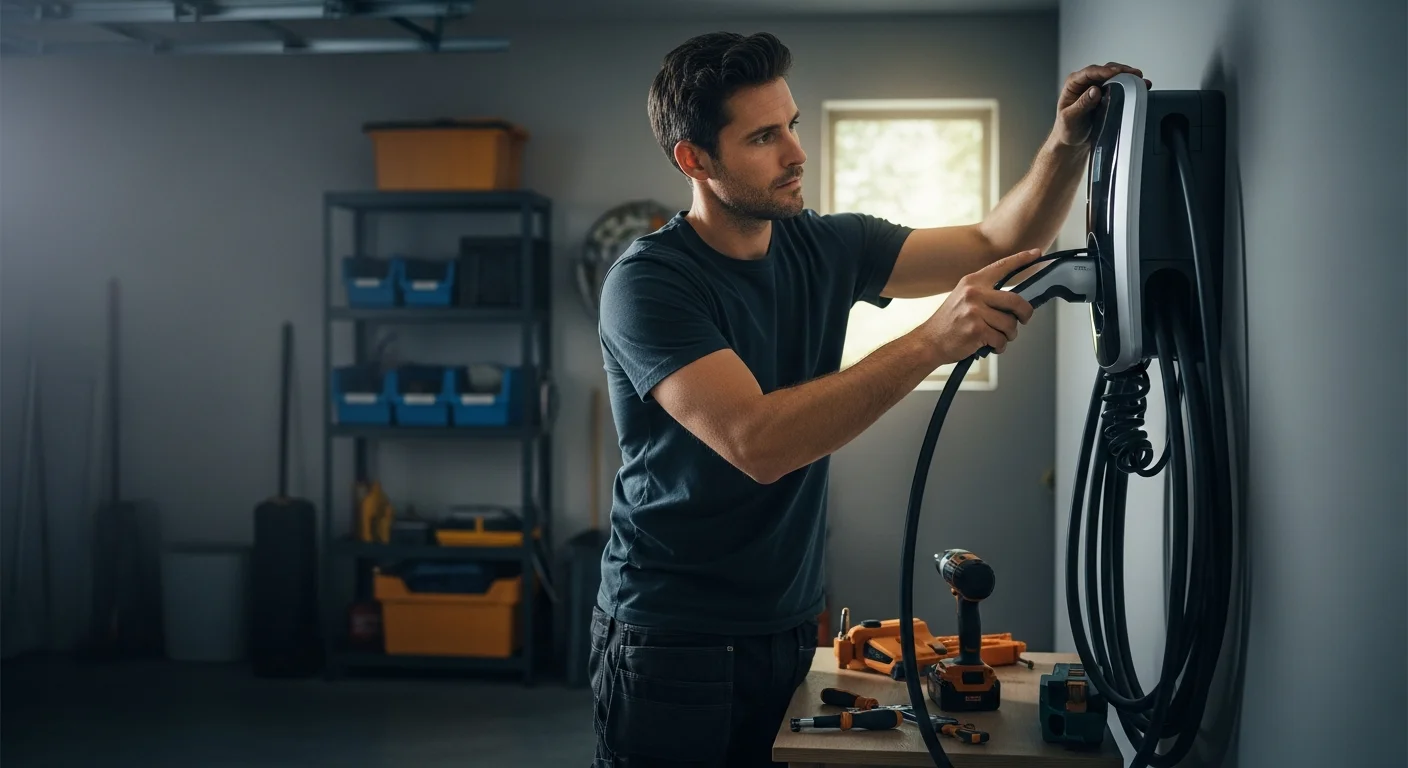
EV Charger Installation Calculator
Buy NowHardware and Equipment Pricing
The initial expense for most homeowners is the charging unit itself. In 2026, high-quality Level 2 charging units typically range from $400 to $900 depending on cable length, connectivity features, and amperage output. According to the U.S. Department of Energy, hardware prices have stabilized due to increased manufacturing competition.
Electrical Panel and Load Capacity
The single biggest variable in project cost is the condition of your home's electrical panel. Many older homes require a service upgrade to 200 amps to safely handle a dedicated 40-amp or 50-amp circuit. This work must be performed by a licensed electrician to comply with local safety standards.
Level 2 EV Charger Installation Requirements
Voltage and Circuitry Standards
Standard household outlets provide 120 volts, but modern electric vehicles require a 240-volt connection for efficient overnight charging. This requires specialized wiring and a double-pole circuit breaker. Proper level 2 ev charger installation ensures your car gains 25-40 miles of range per hour of charging.
Permit and Inspection Protocols
In Orange County and across California, a city permit is mandatory for any significant electrical modification. This process involves a plan check and a final inspection to verify that the electric vehicle charging station installation meets the latest National Electrical Code requirements.
Maximizing EV Charger Installation Rebates 2026
Federal Tax Credit Extensions
The federal Alternative Fuel Vehicle Refueling Property Credit has been extended into 2026, allowing eligible homeowners to claim a significant percentage of their hardware and labor costs. These credits are particularly beneficial for residents in lower-income or rural census tracts as defined by the latest tax code updates.
California Utility Incentives
Regional providers like Southern California Edison offer dedicated programs that incentivize the installation of smart chargers. These programs often provide rebates that cover the cost of the permit or a portion of the panel upgrade. Researching California Air Resources Board initiatives can reveal additional funding layers.
Ready to upgrade your home's charging capabilities?
Get Your Custom Quote →How to Choose the Best ev car charger for Your Garage
Hardwired vs. Plug-in Models
When selecting your ev car charger, you must decide between a hardwired installation or a NEMA 14-50 plug-in model. Hardwired units are generally more durable and can support higher amperage (up to 48A or 80A), while plug-in models offer portability and easier replacement should the unit fail.
Smart Connectivity Features
Modern chargers include Wi-Fi connectivity and mobile apps that track energy usage and allow for scheduled charging. This is crucial for residents who want to automate their charging to occur during the lowest-cost utility windows. Integration with home solar systems is also a major trend for the Winter 2026 season.
| Charger Type | Primary Benefit |
|---|---|
| Level 1 (120V) | Low cost; no electrical work required |
| Level 2 (240V) | 6x faster than standard outlets |
| Smart Chargers | Real-time monitoring and cost tracking |
Using an EV Charger Installation Calculator for Accuracy
Estimating Project Scope
Before calling a contractor, using an ev charger installation calculator can provide a baseline for your budget. These tools account for the distance between your electrical panel and the garage, the need for trenching, and local permit fees. This data empowers you during the bidding process.
Calculating ROI and Energy Savings
The long-term savings of home charging compared to public DC fast charging stations are significant. An accurate calculator will factor in your local kilowatt-hour rate to show you how quickly the system pays for itself through reduced fuel costs. Homeowners can often see a full return on investment within 18 to 24 months.
Professional Electric Vehicle Charging Station Installation Steps
Site Assessment and Quote
A professional install begins with a thorough site survey. The technician will evaluate your panel capacity and determine the most efficient routing for the conduit. This prevents hidden costs from surfacing mid-project and ensures the how much to install ev charger in garage estimate is accurate.
Final Testing and Commissioning
Once the wiring is complete, the unit must be commissioned. This involves testing the ground fault protection and verifying that the car properly communicates with the charger. Professional installers will also help you set up the companion app for energy management.
Stop guessing and start saving on your home energy upgrades.
Access the Calculator →
Frequently Asked Questions
Is a permit required for EV charger installation in 2026?
Yes, a permit is required for any Level 2 installation that involves adding a new 240V circuit. This ensures that the installation is safe and compliant with current building codes, protecting both your home and your vehicle's warranty.
How much does a professional EV charger installation cost on average?
Most homeowners spend between $1,200 and $2,500 for a standard Level 2 installation. This price includes the hardware, professional labor, permit fees, and basic materials, though panel upgrades will increase the total cost.
Can I install an EV charger myself?
While a person with electrical experience could theoretically perform the installation, it is highly discouraged. Faulty wiring can lead to fires or vehicle damage, and most local jurisdictions require a licensed contractor to pull the necessary permits and sign off on the work.
What are the benefits of a hardwired charger over a plug-in?
Hardwired chargers are generally more reliable for high-amperage continuous use and can be installed outdoors without a NEMA enclosure. They also eliminate a potential point of failure at the outlet and are often preferred for higher-powered 48A or 80A units.
How long does the installation process take?
A standard installation usually takes between 3 to 6 hours once the contractor is on-site. However, the pre-installation phase, including obtaining permits and scheduling inspections with the city, can take anywhere from a few days to two weeks.
In conclusion, preparing your home for the future of transportation with a dedicated ev car charger is one of the smartest investments a property owner can make in 2026. By understanding the balance between hardware costs, electrical requirements, and the available ev charger installation rebates 2026, you can maximize your savings while ensuring a safe and efficient setup.
Whether you are a new EV owner or looking to upgrade an existing system, leveraging local expertise and accurate estimation tools is key. As we navigate the Winter 2026 season, the infrastructure is more accessible than ever, providing a seamless path toward a greener and more cost-effective driving experience. For more detailed insights, consult the Wikipedia guide on charging infrastructure for a broader perspective on global standards.
About the Author

Written by William Corcoran, Orange County Home Savings Expert
William Corcoran has helped Orange County families save money on their homes for over 15 years. Specializing in property tax reduction and smart refinancing, he offers expert guidance you can trust. www.energybot.com www.energystar.gov
Related Articles
Ready to Find Your Savings?
Get a free personalized report showing all rebates and incentives your home qualifies for.
Get My Free Report