Home EV Charger Installation Cost 2026: A Guide to Level 2 Charging and Rebates
Key Takeaways
- Level 2 home charging reduces refueling time by up to 80 percent compared to standard outlets.
- Federal and state incentives in 2026 can cover a significant portion of equipment and labor costs.
- Professional electrical assessment is critical to ensure your home panel can handle the increased load.
- Using an online cost calculator provides the most accurate estimate for specific Orange County residences.
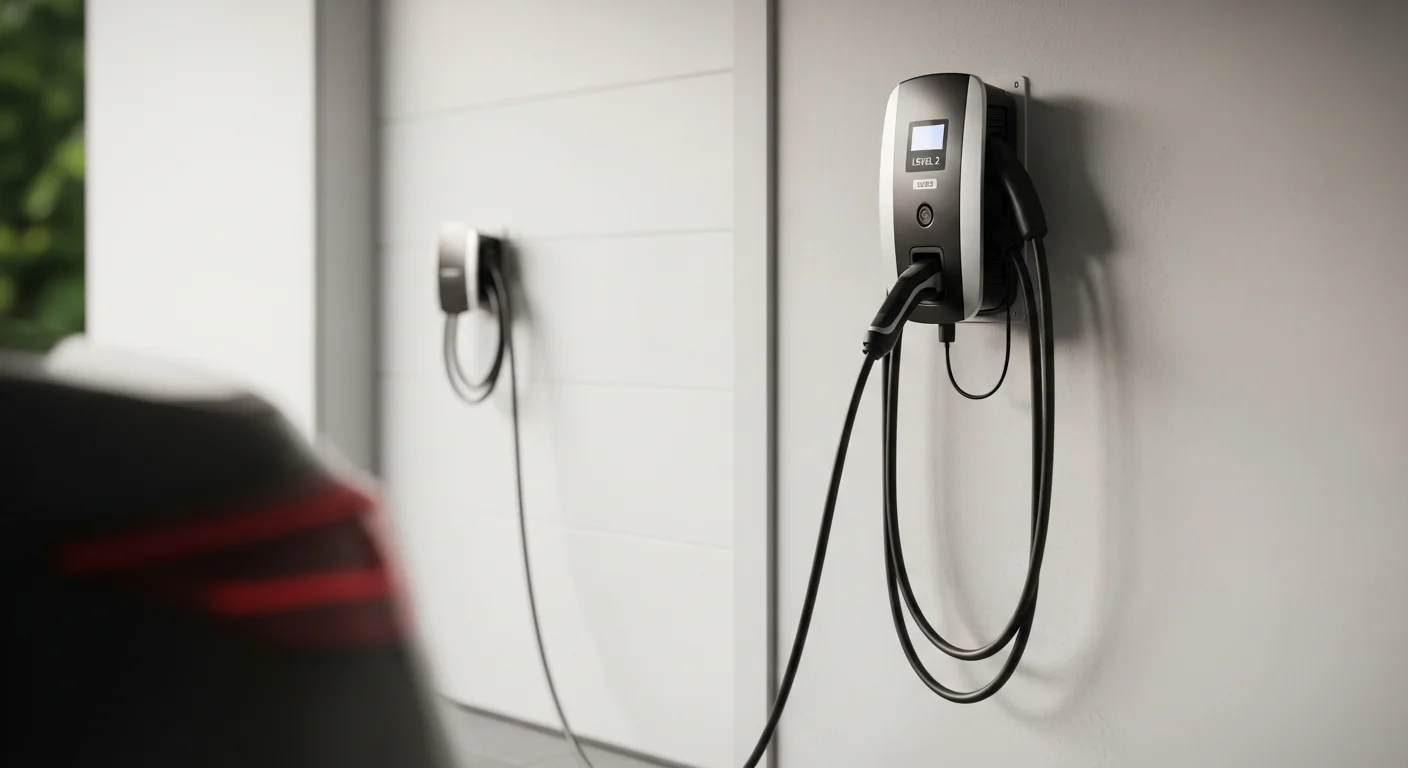
As we move further into Winter 2026, more homeowners are seeking efficient ways to power their vehicles, making the selection of a reliable ev car charger a top priority for sustainable living. The landscape of electric mobility has evolved rapidly, with faster charging speeds and smarter integration now becoming the industry standard. Whether you have just purchased your first electric vehicle or are looking to upgrade your current setup, understanding the infrastructure requirements is essential.
The transition to home charging is not just about convenience; it is about maximizing the economic benefits of going electric. With fluctuating energy prices and new grid management technologies available in 2026, a strategic installation can save you thousands of dollars over the lifespan of your vehicle. This guide will walk you through the complexities of installation, from technical specifications to local incentives available in Orange County.
Understanding Home EV Charger Installation Cost in 2026
EV Charger Installation Calculator
Buy NowAverage Equipment Prices
In 2026, a high-quality Level 2 charging unit typically ranges from $500 to $900. Prices vary based on features such as Wi-Fi connectivity, cable length, and weatherproofing ratings for outdoor installations.
Labor and Electrical Upgrades
Professional labor is the most variable cost factor. If your electrical panel requires an upgrade to support a 50-amp circuit, you may see costs increase by $1,500 to $3,000 depending on the age of your home.
Permitting and Inspection Fees
Most municipalities in Orange County require a building permit for electrical vehicle supply equipment (EVSE). These fees ensure the installation meets safety standards according to National Electrical Code requirements.
Want to know exactly what your setup will cost?
Use the Installation Calculator →The Difference Between Level 1 and Level 2 Charging
Level 1: The Standard Wall Outlet
Level 1 charging uses a standard 120-volt household outlet. While it requires no special installation, it only provides about 3 to 5 miles of range per hour, making it insufficient for most daily commuters in 2026.
Level 2: The Modern Home Standard
Operating on 240 volts, Level 2 stations provide 25 to 40 miles of range per hour. This speed ensures that even the largest battery packs can be fully replenished overnight during off-peak energy hours.
Efficiency Comparison
According to the U.S. Department of Energy, Level 2 charging is generally more energy-efficient because it reduces the total time the vehicle's onboard cooling and management systems must run during the charge cycle.
Top Benefits of Installing a Dedicated ev car charger
Unmatched Convenience
Having a dedicated home station eliminates the need to visit public chargers. You simply plug in when you arrive home and wake up to a full battery every morning, mirroring the convenience of charging a smartphone.
Increased Property Value
In the 2026 real estate market, home EV readiness is a high-demand feature. Properties equipped with professional charging infrastructure often command a premium and sell faster than those without.
Grid Integration and Smart Scheduling
Modern stations allow you to schedule charging during periods when electricity is cheapest. This helps balance the local power grid and significantly lowers your monthly utility bills.
| Charging Type | Range Per Hour | Best For |
|---|---|---|
| Level 1 (120V) | 3-5 Miles | Plug-in Hybrids |
| Level 2 (240V) | 25-40 Miles | Full Battery EVs |
| DC Fast (480V) | 100+ Miles | Public Charging Only |
Navigating EV Charging Station Rebates and Tax Credits
Federal Tax Credit (Section 30C)
The federal government continues to support home infrastructure. As outlined by the Internal Revenue Service, eligible homeowners can claim a credit for 30% of the cost of hardware and installation.
California State Incentives
California remains a leader in EV adoption. The California Energy Commission frequently updates programs like CalVIP, which provide direct rebates for equipment purchases.
Local Orange County Utility Programs
Utilities like Southern California Edison offer specific "Charge Ready" incentives. These programs may include rebates for panel upgrades or discounted rates for charging during overnight hours.
Don't leave money on the table!
Check Your Eligible Rebates →Essential Factors in Residential Charging Station Selection
Amperage and Charging Speed
While 40-amp chargers are common, many 2026 vehicle models can accept higher intake. Choosing a 48-amp or 50-amp unit ensures your ev car charger remains compatible with future software updates and larger battery capacities.
Hardwired vs. NEMA 14-50 Plug
A hardwired connection is often more reliable and allows for higher amperage. However, a NEMA 14-50 plug offers flexibility, allowing you to easily take the charger with you if you move or need to have it serviced.
Smart App Features
The best units in 2026 come with robust mobile apps. These allow you to monitor energy consumption, track costs, and even participate in demand-response programs that reward you for charging at optimal times.
The Step-by-Step Installation Process for Homeowners
Initial Site Assessment
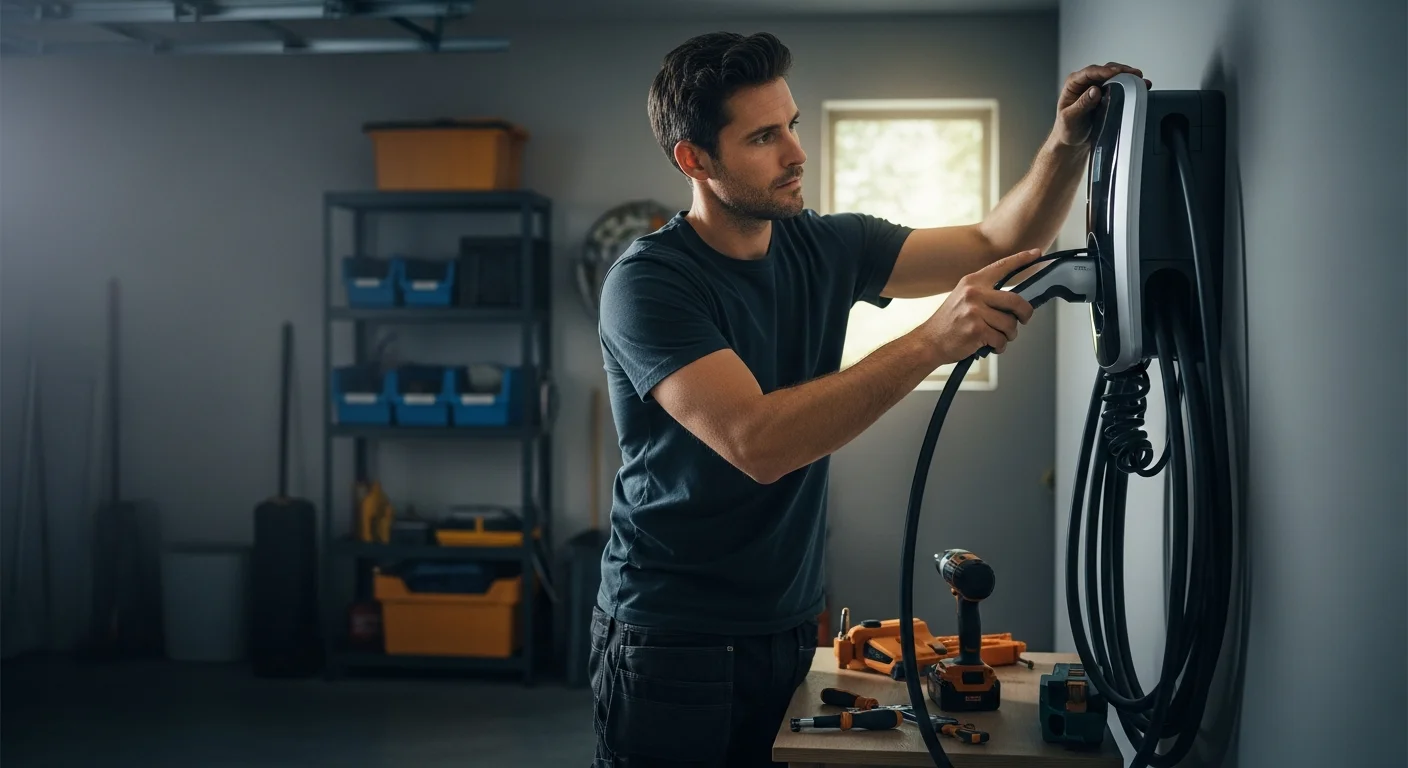
An electrician will evaluate your electrical panel and the distance to your parking spot. This determines if you need a new subpanel or just a dedicated circuit breaker.
Permit Acquisition
Professional installers usually handle the permit process. This ensures that the installation is legal and recognized by your homeowner's insurance policy, as recommended by the Environmental Protection Agency.
Final Testing and Configuration
Once installed, the charger is tested with a multimeter to ensure correct voltage. The technician will then help you connect the unit to your home network for smart feature activation.
Frequently Asked Questions
Can I install a home charger myself?
DIY installation is not recommended due to the high voltage and safety risks. A certified electrician ensures the work meets local codes and that your warranty remains valid for your vehicle and charging unit.
How long does a typical installation take?
Most standard installations are completed within 3 to 5 hours. If significant electrical panel upgrades or trenching for outdoor wiring is required, it may extend into a full-day project.
Are home chargers compatible with all electric car brands?
Yes, most modern chargers use the universal J1772 connector or the NACS (North American Charging Standard). Adapters are widely available if your specific vehicle uses a different inlet port.
Will my electric bill go up significantly?
While your electricity usage will increase, the cost is significantly lower than gasoline. By charging during off-peak hours (midnight to 6 AM), you can minimize the impact on your monthly bill.
What happens if the charger gets wet?
Residential chargers are designed with high IP (Ingress Protection) ratings. They are fully sealed and safe to use in rain or snow, provided they were installed according to manufacturer specifications.
The Future of Home Charging
Investing in a home charging solution is one of the most impactful upgrades you can make for your vehicle. As we see more models hit the road in Winter 2026, the demand for fast, reliable, and smart charging will only continue to grow. By taking advantage of current rebates and expert installation services, you secure a seamless driving experience for years to come.
Ultimately, choosing the right ev car charger is an investment in both your vehicle's longevity and your home's value. With the right tools and information, you can navigate the transition to electric power with confidence and maximize every dollar spent on your home's infrastructure.
Ready to simplify your home charging setup?
Calculate Your Savings Now →About the Author

Written by William Corcoran, Orange County Home Savings Expert
William Corcoran has helped Orange County families save money on their homes for over 15 years. Specializing in property tax reduction and smart refinancing, he offers expert guidance you can trust. www.energybot.com www.energystar.gov
Related Articles
Ready to Find Your Savings?
Get a free personalized report showing all rebates and incentives your home qualifies for.
Get My Free Report