2026 Property Tax Savings: How to Lower Your Assessment and Manage Projected Tax Costs
Key Takeaways
- Identify if your assessed value exceeds current market trends for 2026
- Use digital tools to project accurate annual financial obligations
- Understand the critical deadlines for filing California assessment appeals
- Calculate potential savings before initiating the formal appeal process
As we enter the Winter 2026 season, many homeowners are opening their latest assessments with a sense of trepidation. With market shifts occurring rapidly, ensuring that your estimated tax payments align with your home's actual value is critical for maintaining financial health. Over-assessment is a common issue that can lead to thousands of dollars in unnecessary expenses over the course of the fiscal year.
The process of challenging a property tax bill can seem daunting, but it is a fundamental right of every property owner. By leveraging data-driven tools and understanding local regulations, you can effectively dispute discrepancies. This guide provides a comprehensive roadmap for navigating the complexities of property taxation in 2026.
Navigating the 2026 Property Tax Appeal Process
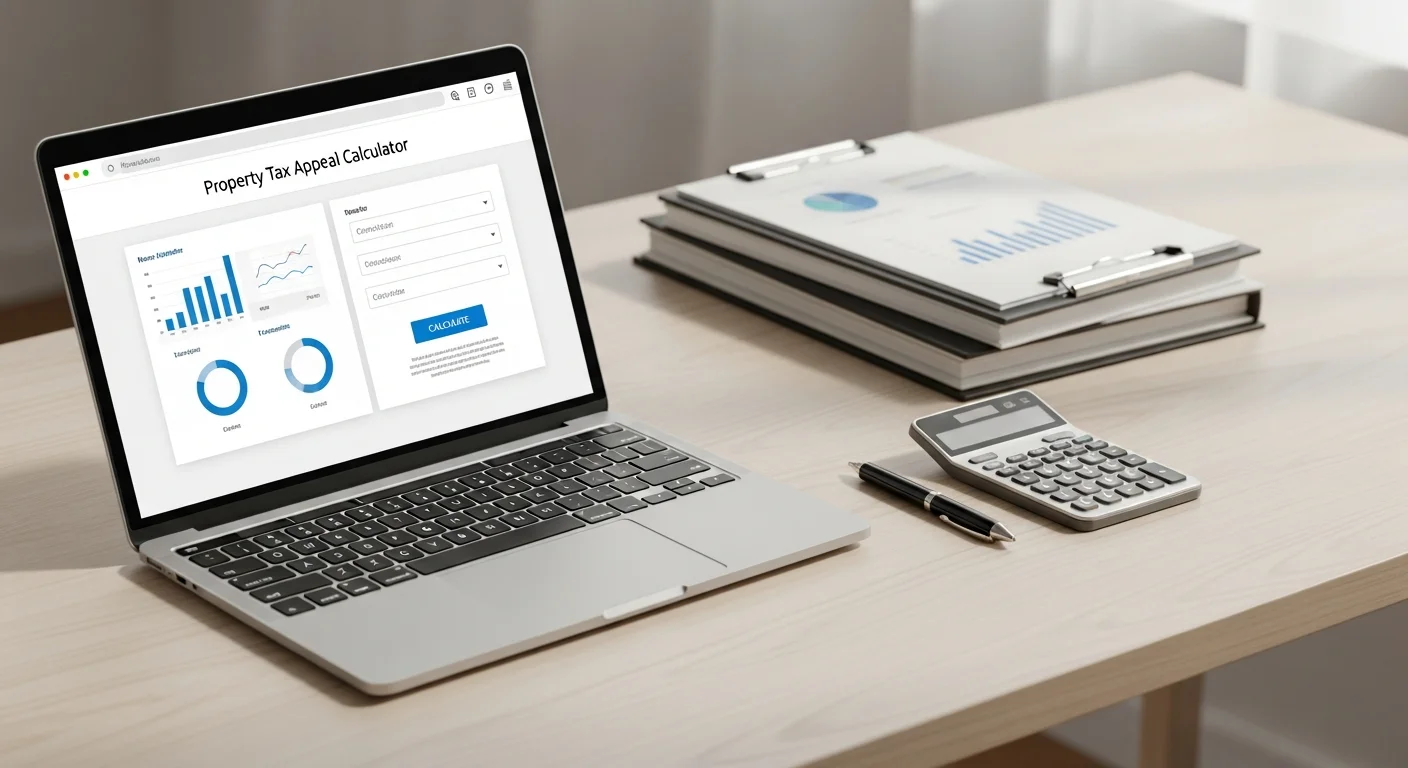
Property Tax Appeal Calculator
Buy NowInitiating Your Appeal Review
The property tax appeal process 2026 begins with a thorough review of your assessment notice. Look for clerical errors, incorrect square footage, or misclassified property types that might artificially inflate your bill. According to the California State Board of Equalization, homeowners should compare their assessment to similar properties in their immediate neighborhood.
Gathering Supporting Evidence
Evidence is the cornerstone of a successful appeal. This typically includes recent sales data of comparable homes, independent appraisals, or photographs documenting property damage that affects value. Detailed records from the U.S. Census Bureau housing data can provide context for regional market trends.
Stop Overpaying Your Property Taxes
Calculate Your Savings Now →Understanding Your Assessment and Estimated Tax Payments
Budgeting for Property Obligations
Homeowners must accurately project their estimated tax payments to avoid surprises during the payment cycle. These estimates are based on the assessed value multiplied by the local tax rate, which can vary by district. For a breakdown of how these rates are calculated, refer to Wikipedia's overview of US property tax structures.
Impact of Inflation on Assessments
Inflationary pressures often lead local governments to adjust assessment values upward. However, if these adjustments outpace the actual fair market value of your specific home, your estimated tax payments may become disproportionately high. Monitoring these trends is essential for timely intervention.
How to Lower Property Taxes in Orange County Effectively
Applying for Homeowner Exemptions
One of the fastest ways to achieve Orange County property tax savings is by ensuring you have applied for the Homeowners’ Exemption. This provides a $7,000 reduction in the assessed value for owner-occupied residences. Many residents forget to verify this status after a refinance or title change.
The Role of Proposition 13
California residents benefit from Proposition 13, which limits annual assessment increases to 2%. If you suspect your assessment has increased beyond this legal threshold, you have strong grounds for a reduce property tax bill 2026 request. Verify historical assessment caps via the League of California Cities resources.
Discover Potential Tax Savings in Seconds
Open Tax Calculator →Comparing Assessment Value vs Market Value
Defining Market Value in 2026
The property tax assessment value vs market value gap is the primary reason for most successful appeals. Market value is what a willing buyer would pay in an open market, while assessment value is the figure used by the county to determine taxes. If your assessment is higher than your home's actual worth, you are essentially paying a tax on phantom wealth.
| Metric | Definition | Impact on Taxes |
|---|---|---|
| Assessed Value | Value determined by County Assessor | The basis for your annual bill |
| Market Value | Current resale price in open market | Used to dispute high assessments |
Analyzing Comparable Sales
To prove your case, you must present "comps"—recent sales of similar homes in your neighborhood. Experts at Investopedia suggest that finding at least three comparable sales within the last six months is the industry standard for a persuasive appeal.
Utilizing a Property Tax Appeal Calculator for Maximum Savings
Efficiency in Calculation
Manually calculating potential savings is complex. A property tax appeal calculator simplifies this by inputting your current assessment, local tax rate, and estimated market value to instantly show how much you could save. This helps you decide if the effort of a formal appeal is worth the financial return.
Data-Driven Decision Making
Using digital tools allows for calculating property tax savings with precision. Instead of guessing, you have hard numbers to present to the Assessment Appeals Board. This professionalism can often lead to a higher property tax appeal success rate during the Winter 2026 cycle.
Key Deadlines and Requirements for the 2026 Filing Season
Marking the Property Tax Deadline 2026
Missing a deadline is the most common reason for appeal rejections. In California, the filing window typically opens in July and closes in either September or November, depending on the county. Homeowners should check the Orange County Assessor's official portal for specific 2026 dates.
Required Documentation for Filing
- Completed Application for Changed Assessment
- A copy of your most recent property tax bill
- Documented evidence of your home's market value
- Payment for any required filing fees
Ready to Lower Your 2026 Tax Burden?
Get Started with OC Home Savings →Frequently Asked Questions
What are estimated tax payments for property owners?
These are the projected property tax costs based on your current assessment and local millage rates. They help homeowners budget for their semi-annual tax installments throughout the fiscal year.
Can I appeal my taxes if I just bought my home?
Yes, you can file a "Supplemental Appeal" if the purchase price was lower than the assessment the county recorded. This is a common way for new homeowners to ensure they aren't overpaying from day one.
How long does the 2026 appeal process take?
The timeline varies, but it generally takes 6 to 12 months from filing to reaching a final resolution with the board. However, any reduction achieved is often retroactive to the start of the tax year.
Do I need a lawyer for a property tax appeal?
While not required, many homeowners use specialized consultants or automated services to ensure their evidence is presented correctly. Most individual residential appeals are successfully handled by the homeowners themselves using accurate data.
Is there a fee to file an assessment appeal?
Some counties charge a small administrative fee (usually under $50) to process the application. However, this cost is minimal compared to the potential savings of a lower assessment.
Conclusion
Managing your estimated tax payments effectively requires a proactive approach to property assessment. By understanding the 2026 market dynamics and utilizing tools like a property tax appeal calculator, you can ensure that you only pay your fair share. The savings identified today can result in significant long-term financial benefits.
Don't let an inaccurate assessment drain your home equity. Take the first step by evaluating your property's value against the county's records and prepare your evidence for the upcoming filing season. With the right information and a methodical approach, lowering your property tax burden is an achievable goal for any homeowner in 2026.
About the Author

Written by William Corcoran, Orange County Home Savings Expert
William Corcoran has helped Orange County families save money on their homes for over 15 years. Specializing in property tax reduction and smart refinancing, he offers expert guidance you can trust. www.energybot.com www.energystar.gov
Related Articles

Ready to Find Your Savings?
Get a free personalized report showing all rebates and incentives your home qualifies for.
Get My Free Report