Home Charging Station Costs: A Guide to 2026 Installation and Rebates
Key Takeaways
- Level 2 charging remains the standard for home efficiency in 2026
- Installation costs vary based on your home electrical panel capacity
- Orange County residents can access significant local utility rebates
- Using a digital calculator helps prevent unexpected electrical upgrade expenses
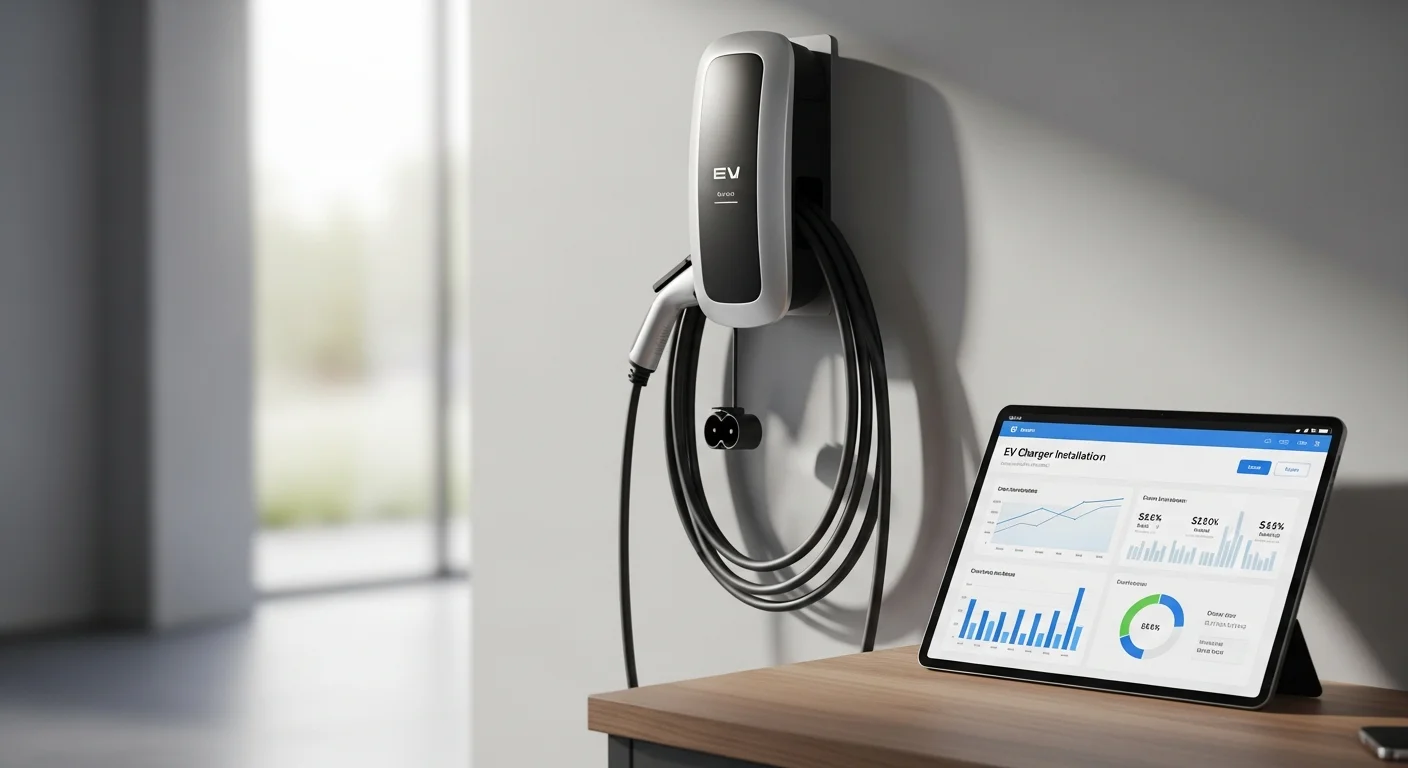
As we move through the Winter 2026 season, more Orange County residents than ever are making the switch to sustainable transportation. However, the most common hurdle remains the logistics of home setup. Selecting the right electric vehicle charger for your garage is more than just a purchase; it is a strategic home improvement that requires careful planning and budgeting.
According to the U.S. Department of Energy, over 80% of EV charging happens at home, making a reliable setup essential for daily convenience. In 2026, new smart technologies have made these systems more efficient, but they also require specialized knowledge to install correctly and safely within local building codes.
Want to know your exact installation costs?
Try Our Free Calculator Now →Understanding Home Charging Station Costs
EV Charger Installation Calculator
Buy NowElectrical Panel Requirements
The primary driver of cost in 2026 is your home's existing electrical infrastructure. Many older homes in Orange County feature 100-amp panels that may struggle to support a dedicated high-voltage circuit. Upgrading to a 200-amp service is often necessary for modern Level 2 hardware.
Labor and Permitting in 2026
Professional labor rates have shifted with the increased demand for certified electricians. Local municipal permits in California also add to the total, ensuring that the work meets the stringent safety standards of the National Electrical Code.
Choosing Your Electric Vehicle Charger
Level 1 vs Level 2 Efficiency
While Level 1 uses a standard 120V outlet, it is often too slow for the higher-capacity batteries found in 2026 vehicle models. A Level 2 electric vehicle charger provides significantly faster replenishment, often adding 25-40 miles of range per hour of charging time.
| Charger Type | Voltage | Average Speed |
|---|---|---|
| Level 1 (Standard) | 120V | 3-5 miles/hour |
| Level 2 (Professional) | 240V | 25-45 miles/hour |
Smart Features and Connectivity
Modern hardware in 2026 includes Wi-Fi connectivity and mobile app integration. These features allow you to schedule charging during off-peak hours when electricity rates are lower, a strategy often recommended by California Public Utilities Commission experts to save money.
Ready to upgrade your home's charging speed?
Calculate Your Savings →The Professional Installation Process
Initial Site Assessment
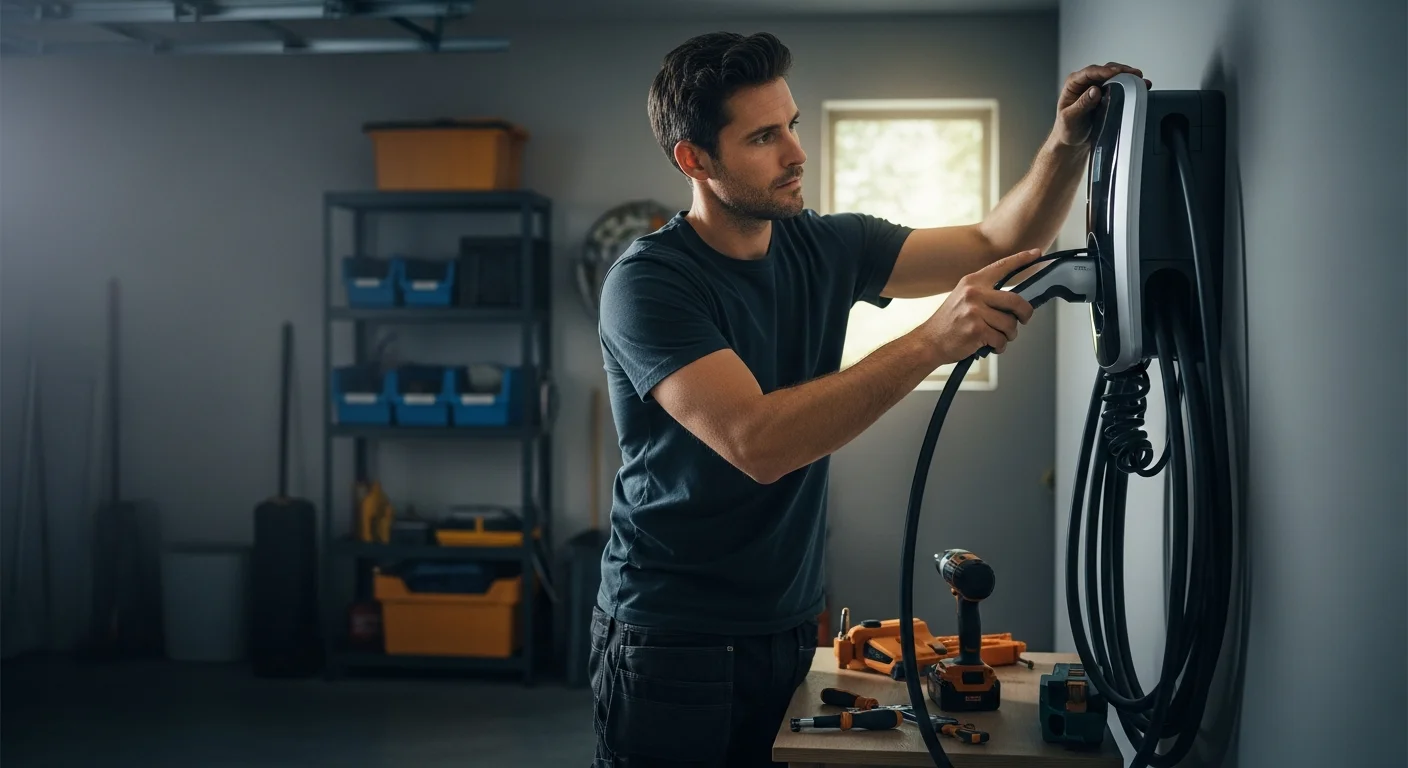
An electrician will first evaluate the distance between your breaker box and the desired location for your hardware. Long wire runs through attics or crawlspaces can significantly impact the final labor costs for your electric vehicle charger installation.
Permitting and Compliance
Compliance with local Orange County building codes is mandatory. Most cities require a load calculation to ensure the home won't exceed its electrical capacity. According to Southern California Edison, failing to secure permits can complicate home insurance claims in the future.
Maximizing 2026 Rebates and Incentives
Federal Tax Credits for 2026
The federal government continues to support home infrastructure through various tax credits. As noted by the IRS, eligible hardware and installation costs may qualify for a significant percentage-based credit, reducing the effective price of your new system.
Local Orange County Utility Programs
Local utilities often provide rebates that can cover several hundred dollars of the installation cost. These programs frequently change, making it vital to check current Winter 2026 availability through a reliable savings platform before you purchase your equipment.
Benefits of Using a Cost Calculator
Accuracy and Budgeting
A digital estimator takes the guesswork out of home improvements. By inputting your specific home details, you can receive an immediate breakdown of hardware, labor, and expected permit fees. This ensures your electric vehicle charger project stays within your financial limits.
Finding Hidden Savings
Many calculators are pre-loaded with the latest 2026 rebate data. This means you might discover regional incentives you didn't know existed, potentially saving thousands on the total project cost for your new energy-efficient setup.
Don't overpay for your home charging setup.
Get Your Instant Cost Estimate →
Frequently Asked Questions
Do I need to upgrade my electrical panel to install a charger?
It depends on your current capacity. Most Level 2 systems require a 40-50 amp breaker, which often necessitates an upgrade to a 200-amp panel if your home currently uses a 100-amp or 125-amp service.
How long does a typical home installation take?
Most standard installations can be completed in 4 to 6 hours. However, if your project requires extensive trenching or a full panel upgrade, it could take a full day or more to finish.
Can I install a home charger myself?
While technically possible for some, it is highly discouraged. Professional installation ensures your system meets safety codes and is required by most utility companies to qualify for rebates and warranty coverage.
Are there rebates available for Orange County residents in 2026?
Yes, multiple programs are currently active for the Winter 2026 season. These include utility-specific rebates from Southern California Edison and potential local municipal incentives aimed at reducing air pollution.
What is the difference between a plug-in and hardwired charger?
A plug-in unit connects to a 240V outlet (NEMA 14-50), allowing for easy removal. A hardwired unit is connected directly to your electrical system, which is often more reliable and can sometimes support higher charging speeds.
Investing in a home electric vehicle charger is one of the smartest upgrades you can make for your property in 2026. Not only does it increase your home's value, but it provides the ultimate convenience of starting every day with a full battery. By utilizing our calculator, you can navigate the complex world of installation costs and local incentives with confidence.
William Corcoran and the team at Orange County Home Savings are dedicated to helping you maximize your rebates while minimizing your carbon footprint. Take the first step toward a more efficient home by exploring our 2026 tools and resources today. Your journey to seamless charging begins with accurate information and expert guidance.
About the Author

Written by William Corcoran, Orange County Home Savings Expert
William Corcoran has helped Orange County families save money on their homes for over 15 years. Specializing in property tax reduction and smart refinancing, he offers expert guidance you can trust. www.energybot.com www.energystar.gov
Related Articles

Ready to Find Your Savings?
Get a free personalized report showing all rebates and incentives your home qualifies for.
Get My Free Report