Home EV Charging Station Cost: The Complete Guide to Installation and 2026 Rebates
Key Takeaways
- Installing a Level 2 station in 2026 significantly reduces charging time compared to standard wall outlets.
- Federal tax credits and local Orange County rebates can cover up to 50 percent of total installation costs.
- Electrical panel capacity and the distance from the meter are the primary drivers of labor expenses.
- Smart chargers with Wi-Fi connectivity allow for off-peak scheduling to lower monthly utility bills.
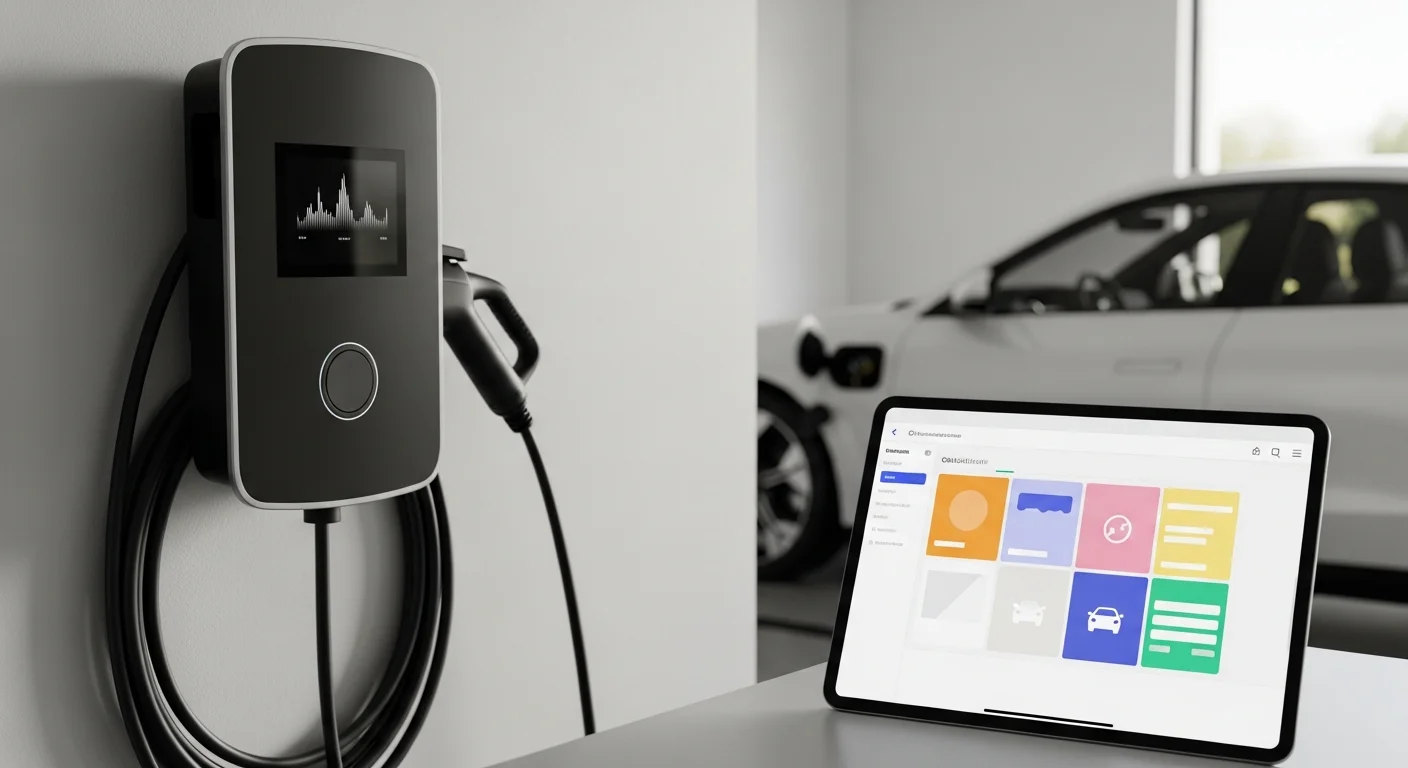
As we move through the Winter 2026 season, more Orange County residents are making the switch to sustainable transportation. While buying an EV is an exciting milestone, the logistics of setting up a reliable electric vehicle charger at home can feel overwhelming. Understanding the nuances of electrical requirements and available incentives is the first step toward a seamless transition.
In 2026, technology has advanced to make home charging faster and more efficient than ever before. However, the upfront cost remains a common concern for homeowners. This guide breaks down everything you need to know about the current landscape of home charging, from hardware selection to professional installation and rebate optimization.
Want to know your exact installation costs?
Calculate Your Savings Now →Level 2 EV Charger Installation Guide
EV Charger Installation Calculator
Buy NowElectrical Panel Requirements
A Level 2 station requires a dedicated 240-volt circuit, similar to what a clothes dryer uses. According to U.S. Department of Energy research, your home electrical panel must have enough physical space and amperage capacity to support this additional load. Most modern chargers require a 40 to 50-amp circuit breaker.
Hardwired vs. Plug-In Units
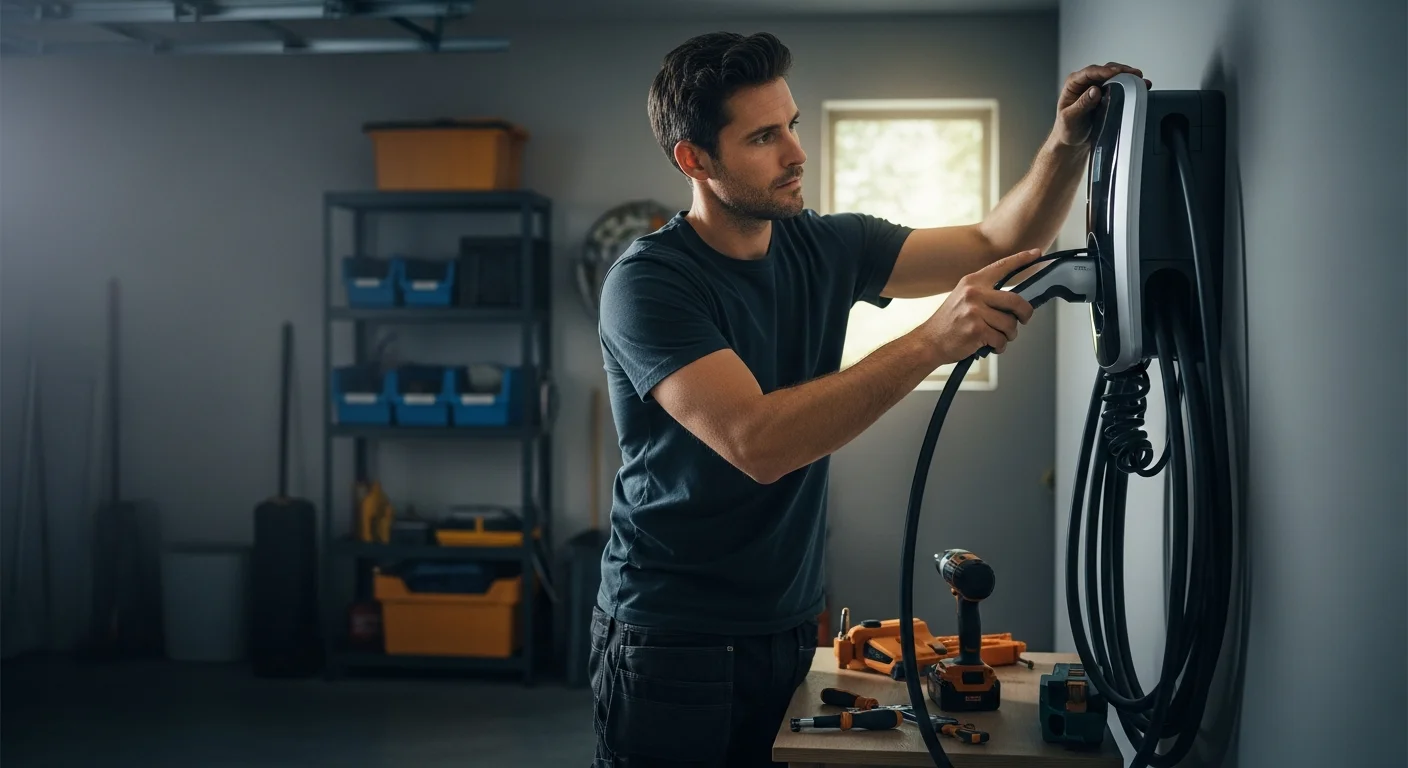
You have the choice between a hardwired unit and a NEMA 14-50 plug-in model. Hardwired installations are often more robust and can sometimes handle higher power outputs for faster charging. Plug-in models offer more flexibility if you decide to move or need to replace the unit without calling an electrician.
Choosing the Right electric vehicle charger
Smart Charging Features
The best units in 2026 feature advanced Wi-Fi connectivity and mobile app integration. These "smart" chargers allow you to track energy usage and set charging schedules during off-peak hours. This is crucial for saving money on your monthly Southern California Edison bill.
Weatherproofing and Durability
If your station will be mounted outdoors, ensure it has a high NEMA rating for weather resistance. Quality manufacturers provide cables that remain flexible even during the cooler Winter 2026 mornings. Look for units that come with at least a 3-year warranty for peace of mind.
Compare the latest 2026 charging units and prices.
Find Your Best Match →EV Charger Rebates Orange County 2026
Federal Tax Credit Availability
The Alternative Fuel Vehicle Refueling Property Credit has been extended through 2026. As detailed by the Internal Revenue Service, homeowners can claim a credit of up to 30 percent of the cost of hardware and installation. This provides a significant incentive to upgrade your home infrastructure this year.
Local Utility Incentives
In Orange County, utility providers like Southern California Edison offer specific rebates for Level 2 chargers. Some programs even include tiered incentives for residents in disadvantaged communities. These programs often require the installation of a qualified smart charger that can participate in demand-response events.
Factors Affecting Residential Charging Station Cost
Labor and Wiring Distance
The most variable cost factor is the distance between your electrical panel and the charger location. Longer wire runs require more conduit and thicker gauge copper, which increases material and labor costs. According to the Environmental Protection Agency, placing the charger close to the panel is the most cost-effective strategy.
Permitting and Inspection Fees
Every legitimate installation requires a permit from your local building department in Orange County. While this adds to the initial cost, it ensures the installation is safe and compliant with the National Electrical Code. Failure to obtain a permit could void your homeowners' insurance in the event of an electrical fire.
Level 1 vs Level 2 EV Charging Comparison
| Feature | Level 1 (Standard) | Level 2 (Fast) |
|---|---|---|
| Voltage | 120 Volts | 240 Volts |
| Charging Speed | 3-5 miles per hour | 25-40 miles per hour |
| Installation Cost | $0 (Uses wall outlet) | $800 - $2,500+ |
Frequently Asked Questions
Is a Level 2 charger worth the investment?
Yes, for most drivers who use their car daily, a Level 2 unit is essential for ensuring the battery is fully topped off overnight. It also increases the resale value of your home in the 2026 real estate market.
Can I install the charger myself to save money?
Electrical work of this magnitude should always be performed by a licensed electrician. Incorrect wiring can lead to dangerous overheating or damage to your vehicle's sensitive electronic components.
How long does the installation take?
A standard installation usually takes between 3 to 6 hours once the materials are on-site. If your main panel requires a full upgrade, the process can extend to a full day or more depending on permit approvals.
Are there still tax credits available in 2026?
Yes, federal and state programs have been maintained to support the transition to electric vehicles. It is vital to keep all receipts and your final inspection report to claim these benefits during tax season.
Will a home charger work with any EV model?
Modern chargers use the standard J1772 connector, which is compatible with most non-Tesla vehicles. Tesla owners can use the adapter provided with their vehicle or install a dedicated Tesla Wall Connector.
Ready to upgrade your home for 2026?
Get Your Free Quote Now →In conclusion, setting up your electric vehicle charger is an investment in both your vehicle's utility and your home's infrastructure. By leveraging the latest 2026 rebates and choosing the right professional for the job, you can minimize your upfront costs and maximize your long-term energy savings.
Don't let the technical details hold you back from the benefits of home charging. Use our calculator tools to get a clear picture of your specific requirements and start your installation journey today. Your future self—and the environment—will thank you.
About the Author

Written by William Corcoran, Orange County Home Savings Expert
William Corcoran has helped Orange County families save money on their homes for over 15 years. Specializing in property tax reduction and smart refinancing, he offers expert guidance you can trust. www.energybot.com www.energystar.gov
Related Articles

Ready to Find Your Savings?
Get a free personalized report showing all rebates and incentives your home qualifies for.
Get My Free Report