Sustainable Landscape Conversion: Evaluating Grass Removal Expenses and 2026 Rebates
Key Takeaways
- Homeowners can recover a significant portion of project costs through local water district rebates in 2026
- Average grass removal expenses vary based on soil preparation and plant selection
- Sustainable landscapes typically reduce outdoor water consumption by over fifty percent
- Professional calculators help estimate precise savings before breaking ground on a project
As we navigate the Winter 2026 season in Orange County, many homeowners are re-evaluating their outdoor spaces to combat rising utility rates and persistent drought conditions. When homeowners analyze the cost to replace lawn surfaces in 2026, they often find that the initial investment is offset significantly by local incentives. Transitioning from thirsty turf to climate-appropriate California native plants is no longer just an environmental choice, but a strategic financial decision.
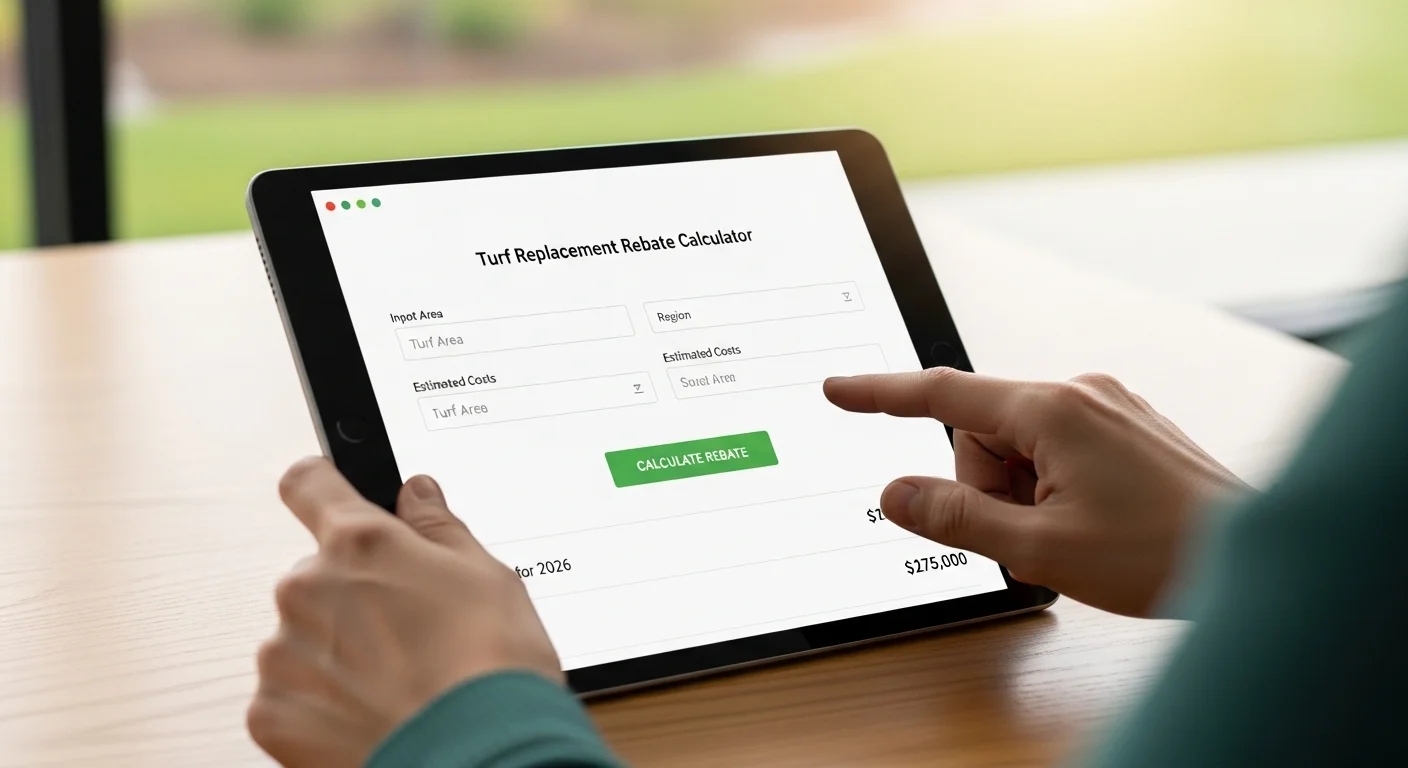
The landscaping landscape has evolved rapidly, with new technologies and rebate programs making sustainable yards more accessible than ever. By utilizing modern tools like the Turf Replacement Rebate Calculator, residents can gain clarity on their potential return on investment before a single blade of grass is removed. This guide breaks down the current market rates, material costs, and regional incentives available right now.
Understanding the Cost to Replace Lawn Spaces in 2026
Turf Replacement Rebate Calculator
Buy NowAverage Market Rates in California
In the current 2026 market, professional turf removal generally ranges from $2.00 to $5.00 per square foot depending on the method used. According to the EPA WaterSense program data, converting to water-efficient landscaping can save the average household over 30,000 gallons of water annually. These savings are a critical factor when calculating the total cost to replace lawn segments on your property.
Installation and Labor Trends
Labor costs for professional installation have stabilized in early 2026, though specialized drought-tolerant design experts may command a premium. Homeowners can choose between full-service landscaping firms or DIY-assisted removals to manage their budget. Most professional quotes now include irrigation retrofitting to ensure the new sustainable garden thrives without over-watering.
Want to see exactly how much you can save?
Calculate Your Rebate Now →Factors Affecting Grass Removal Expenses
Soil Preparation and Grading
The condition of your existing soil plays a massive role in the final invoice. According to University of California Agriculture and Natural Resources research, proper soil health is the foundation of a successful drought-tolerant yard. If your soil requires heavy amendment or grading to facilitate proper drainage, expect to add approximately $0.50 to $1.00 per square foot to your budget.
Plant Selection and Sourcing
Native plants and climate-appropriate succulents have become the gold standard for water-saving landscaping in 2026. Sourcing these plants from specialized nurseries ensures they are adapted to the Orange County climate. While native species may have a higher upfront cost than standard nursery stock, their lower mortality rates and reduced fertilizer needs provide superior long-term value.
Maximizing Water-Saving Landscaping Rebates 2026
Navigating Regional Incentive Programs
In Winter 2026, regional water agencies are offering some of the most competitive incentives in recent years. Based on the Metropolitan Water District guidelines, residential turf removal rebates often start at $3.00 per square foot, covering a significant portion of the total expenses. It is vital to secure project approval before beginning any demolition to remain eligible for these funds.
Compliance and Inspection Requirements
To qualify for a drought-tolerant garden conversion rebate, projects must typically meet specific criteria, such as including three plants per 100 square feet and utilizing permeable mulch. Using a dedicated calculator helps ensure your design meets these technical standards, preventing costly delays during the inspection phase.
Calculate your Orange County water savings potential today.
Access the Calculator →Drought-Tolerant Garden Conversion vs. Artificial Turf
Comparing Installation Costs
While artificial turf offers immediate green coverage, it often lacks the rebate eligibility found with living, water-saving landscapes. According to CalRecycle environmental impact reports, living landscapes provide essential cooling benefits and support local biodiversity that synthetic options cannot match. In 2026, the preference has shifted toward permeable, natural solutions.
| Landscape Type | Avg. Cost (Per Sq Ft) | 2026 Rebate Potential |
|---|---|---|
| Traditional Sod | $1.50 - $3.00 | None |
| Drought-Tolerant Native | $4.00 - $8.00 | High ($3.00+) |
| Artificial Turf | $8.00 - $15.00 | Minimal to None |
Long-Term Financial Benefits of Turf Replacement
Maintenance Savings Over Time
Traditional lawns require constant mowing, fertilizing, and aeration. By eliminating these recurring costs, homeowners can save hundreds of dollars annually in maintenance labor. The financial benefit of lower water bills with drought-tolerant yards becomes apparent within the first two billing cycles after installation.
Property Value Enhancement
In the 2026 real estate market, curb appeal is increasingly defined by sustainability. Professional landscaping design that incorporates native aesthetics often yields a high return on investment when selling a home. Buyers in Orange County prioritize homes with low-maintenance, water-wise exteriors that won't require immediate renovation.
Frequently Asked Questions
What is the average cost to replace lawn areas with native plants in 2026?
Most homeowners spend between $4.00 and $8.00 per square foot for a complete conversion. This includes professional removal of old grass, soil preparation, and the installation of new drought-tolerant species. Rebates can often cover 40% to 60% of this total cost.
Do I need to hire a professional to get the rebate?
No, many programs allow for DIY installation. However, the project must strictly adhere to the technical requirements set by your water district. Using a professional calculator is recommended for both DIYers and pros to ensure compliance.
How long does the rebate process usually take?
The approval process usually takes 2-4 weeks, followed by a 60-day window to complete the project. Once the final inspection is passed, rebate checks are typically issued within 8 to 12 weeks during the 2026 cycle.
Can I use the rebate for artificial grass?
Most California water districts have phased out rebates for artificial turf in favor of living, permeable landscapes. It is important to check with your specific local agency, as standards have changed significantly by 2026.
What happens if my plants die after installation?
Rebate programs usually require a "sustainability period" where the yard must be maintained for several years. Choosing native plants is the best way to ensure survival, as they are naturally adapted to local conditions and require minimal intervention once established.
Is there a maximum square footage limit for rebates?
Yes, most residential programs cap rebates at approximately 5,000 square feet. This varies by agency, so checking your specific limit using a regional calculator is essential for large estates.
Ready to transform your home with professional guidance?
Start Your Calculation →In conclusion, while the initial cost to replace lawn areas requires an upfront investment, the 2026 financial landscape makes this one of the smartest upgrades an Orange County homeowner can make. Between immediate cash rebates and the long-term reduction in water expenses, the project often pays for itself within a few years. Beyond the numbers, you contribute to a more resilient, beautiful community that respects California's natural resources.
By utilizing data-driven tools and staying informed about local incentives, you can ensure your landscape conversion is both efficient and affordable. Don't let the complexity of water district rules prevent you from accessing the funds you deserve. Take the first step toward a sustainable future by calculating your potential savings today.
About the Author

Written by William Corcoran, Orange County Home Savings Expert
William Corcoran has helped Orange County families save money on their homes for over 15 years. Specializing in property tax reduction and smart refinancing, he offers expert guidance you can trust. www.energybot.com www.energystar.gov
Related Articles


Ready to Find Your Savings?
Get a free personalized report showing all rebates and incentives your home qualifies for.
Get My Free Report