Home EV Charging Station Costs: A 2026 Guide to Installation and Rebates
Key Takeaways
- Level 2 charging remains the standard for efficient home refueling in 2026
- Installation costs vary significantly based on your current electrical panel capacity
- Federal and local rebates can offset up to 50 percent of total project expenses
- Smart chargers offer long-term savings through scheduled off-peak charging cycles
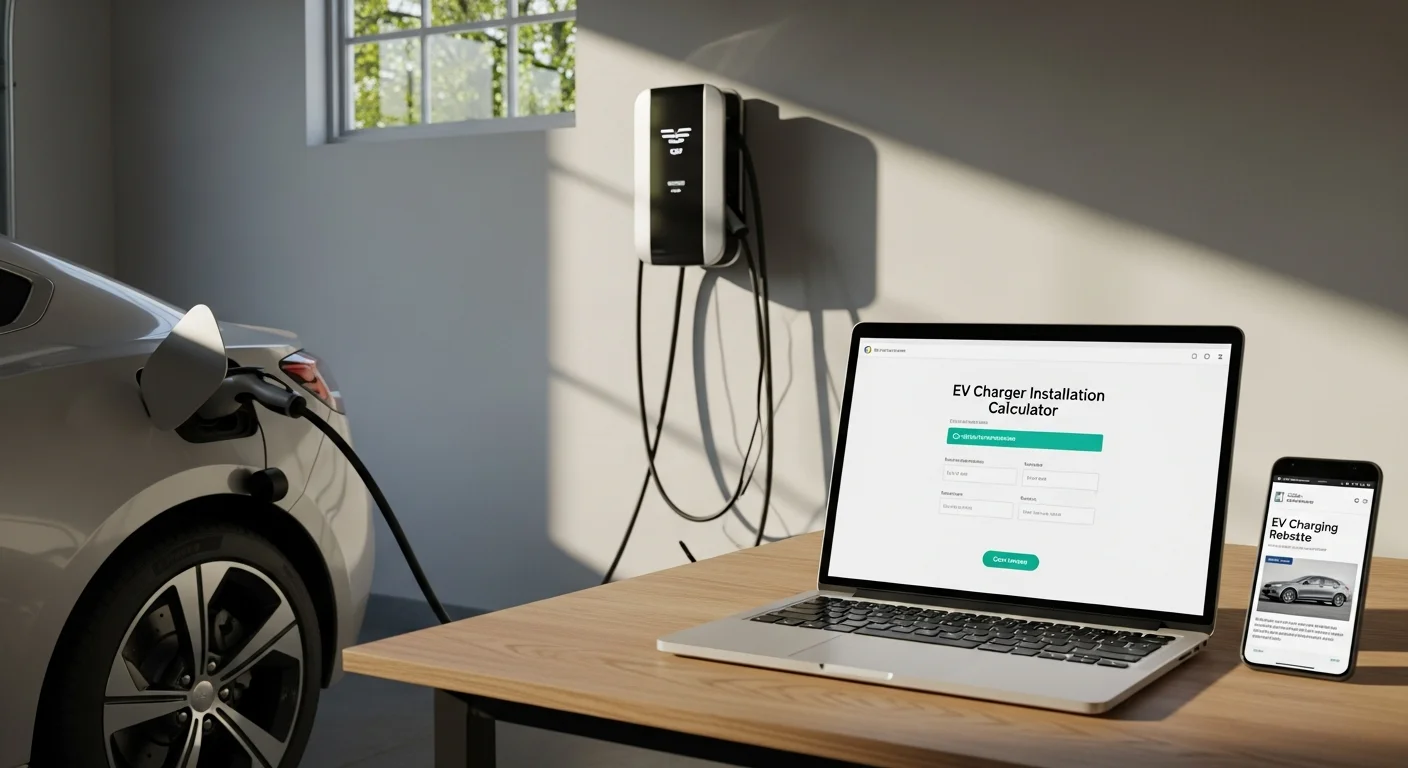
As we move further into 2026, the transition to electric mobility has never been more accessible, yet many homeowners remain uncertain about the true cost of installing a professional car charger in their garage. Whether you are a first-time EV owner or upgrading your current setup, understanding the variables that influence installation pricing is crucial for budgeting. According to the U.S. Department of Energy, home charging provides the most convenient and cost-effective way to power your vehicle, covering nearly 80% of all charging needs.
In the current Winter 2026 season, technological advancements have introduced more efficient wallbox units and streamlined installation methods. However, labor rates and material costs for copper wiring and circuit breakers continue to fluctuate. This guide breaks down every expense you should anticipate when building your home fueling station.
Understanding EV Charging Station Installation Costs in 2026
EV Charger Installation Calculator
Buy NowAverage Hardware Pricing
The cost of the charging unit itself typically ranges from $400 to $900 in 2026. Premium models featuring Wi-Fi connectivity, mobile app integration, and weatherproofing for outdoor use sit at the higher end of this spectrum. Selecting a unit with Energy Star certification can ensure lower standby power consumption.
Professional Labor and Permitting
Labor remains the most variable cost factor, generally falling between $500 and $1,500. This includes the installation of a dedicated 240V circuit, mounting the hardware, and securing the necessary municipal permits. According to Wikipedia's entry on charging stations, local building codes often require specific safety inspections to ensure the high-voltage equipment meets residential fire safety standards.
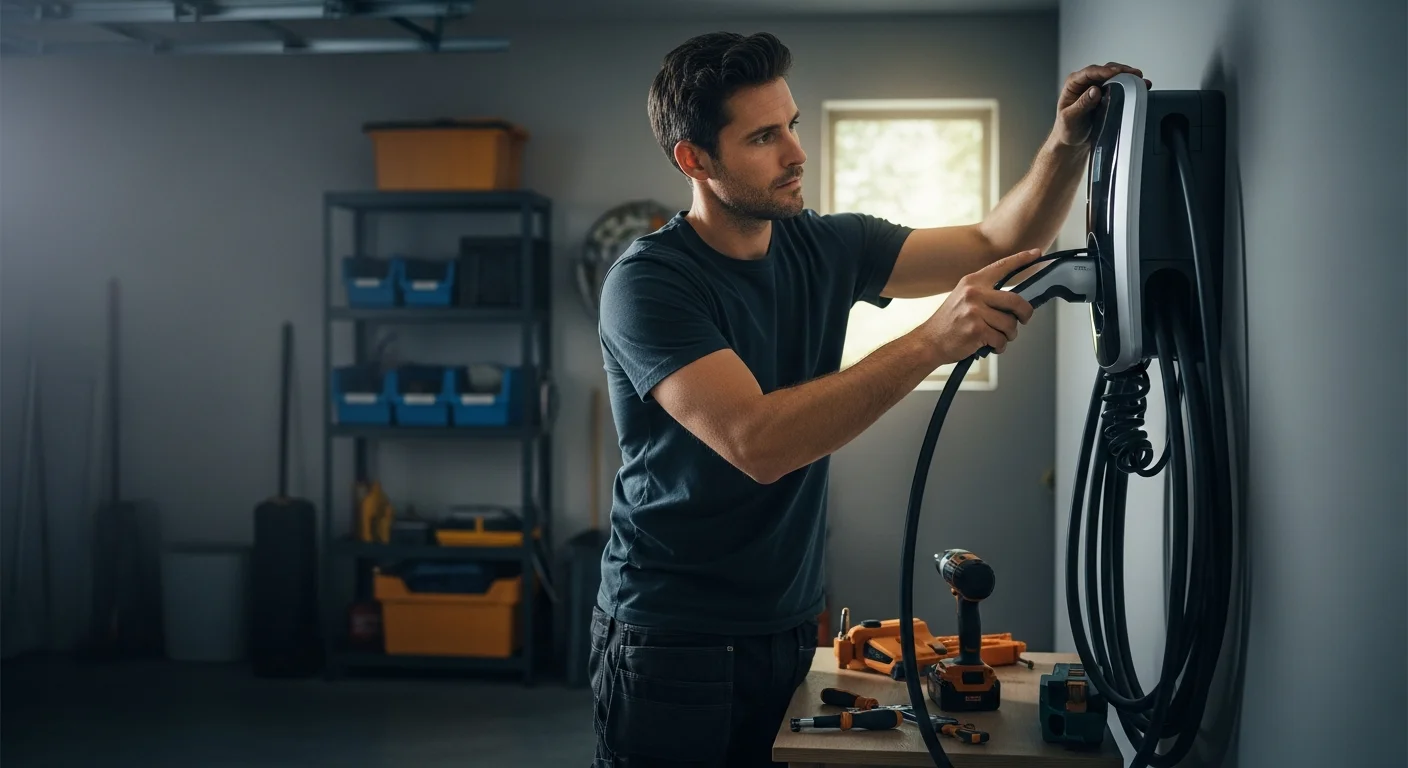
Want to see exactly what your installation will cost?
Use Our EV Charger Calculator →Level 1 vs Level 2 Home EV Charging Requirements
The Limitations of Level 1
Level 1 charging uses a standard 120V household outlet. While it requires no installation cost, it only adds about 3-5 miles of range per hour. This is often insufficient for modern long-range EVs with 300+ mile batteries unless the vehicle is driven very sparingly.
The Efficiency of Level 2
Level 2 charging operates on a 240V circuit, similar to a heavy-duty clothes dryer. In 2026, most homeowners prefer this method as it can fully charge a vehicle overnight, providing 25-50 miles of range per hour. This requires a dedicated circuit and a professional electrical installation to handle the continuous high load.
Choosing the Right Car Charger for Your Home
Hardwired vs. Plug-in Units
When selecting your car charger, you must decide between a hardwired connection or a NEMA 14-50 plug-in model. Hardwired units are often rated for higher amperage (up to 48 or 80 amps), while plug-in models offer the flexibility to take the charger with you if you move. Most 2026 EV models benefit significantly from the higher throughput of hardwired configurations.
Cable Length and Durability
Consider the distance from your electrical panel to the vehicle's charging port. A 25-foot cable is standard in 2026 and provides enough slack to reach either side of a two-car garage. High-quality cables remain flexible even in the coldest months of the Winter 2026 season, preventing cracks and wear.
| Feature | Benefit |
|---|---|
| Smart Connectivity | Monitor energy usage and schedule charging for off-peak hours. |
| Weatherproof Rating | Enables safe outdoor installation for homes without garages. |
| Load Balancing | Safely shares power between two chargers on a single circuit. |
Ready to upgrade your home charging? Get a customized quote today.
Calculate Your Installation Savings →Available Home EV Charging Rebates and Incentives
Federal Tax Credits
The Alternative Fuel Vehicle Refueling Property Credit has been a cornerstone for EV adoption. In 2026, homeowners in eligible census tracts can still claim a percentage of the total hardware and installation costs on their federal returns. This makes the decision to install a smart car charger much more financially attractive.
Local Utility Rebates in Orange County
Utilities such as Southern California Edison often provide specific rebates for customers who install qualified Level 2 equipment. According to the California Air Resources Board, these programs are designed to reduce the strain on the grid by encouraging charging during non-peak hours. Many programs now offer instant rebates that are applied directly to the installation invoice.
Electrical Panel Upgrades for EV Charging Infrastructure
Assessing Your Current Capacity
Many older homes have 100-amp electrical panels that are already near their capacity. Adding a 40-amp or 50-amp circuit for an EV charger may require a full panel upgrade to 200 amps. This can add $2,000 to $4,000 to your total project cost, but it also improves the overall safety and value of your home.
Load Management Solutions
If a panel upgrade is cost-prohibitive, smart load management devices can be used. These monitors track your home's total power draw and temporarily throttle the car charger output when large appliances like air conditioners or ovens are running. This technology has become a popular alternative in 2026 for homeowners looking to avoid major infrastructure overhauls.
Don't guess on your electrical needs. Let the experts help.
Access the EV Cost Calculator →Smart Features and Future-Proofing Your Home Charging
V2H and V2G Potential
Vehicle-to-Home (V2H) technology is gaining traction in 2026. This allows your car's battery to act as a backup power source for your house during an outage. Choosing a bidirectional-ready charger ensures that you won't have to replace your hardware when these features become standard in next-generation EVs.
Solar Integration
Integrating your charging station with a solar panel system is the ultimate way to achieve zero-emission driving. Modern smart chargers can be set to charge only when your solar array is producing surplus energy, effectively allowing you to drive on sunshine and avoid utility costs entirely.
Frequently Asked Questions
How long does it take to install a home EV charger?
A standard installation typically takes between 3 to 6 hours once the electrician is on-site. However, the time required to obtain permits from your local building department can vary from a few days to several weeks depending on your location.
Can I install a Level 2 charger myself?
While it may be tempting to DIY, it is highly discouraged. Level 2 chargers require 240V circuits which can be lethal if handled incorrectly. Furthermore, professional installation is often a requirement to maintain your car's warranty and qualify for local rebates.
What is the best amperage for a home charger?
In 2026, a 48-amp charger is considered the "sweet spot" for most homeowners, providing about 40 miles of range per hour. This requires a 60-amp circuit breaker. A lower 32-amp or 40-amp unit is often sufficient for plug-in hybrids or shorter daily commutes.
Do all EVs use the same charging plug?
By 2026, the industry has largely converged on the NACS (North American Charging Standard) pioneered by Tesla, though many older vehicles still use the J1772 connector. Most chargers sold today are compatible with both via simple, reliable adapters.
Will a home charger increase my electricity bill?
Yes, your consumption will increase, but the cost per mile is significantly lower than gasoline. By using a smart charger to schedule sessions during off-peak hours (usually between 11 PM and 6 AM), you can minimize the impact on your monthly bill.
Navigating the complexities of home electrification doesn't have to be overwhelming. By understanding the hardware requirements, labor costs, and available financial incentives, you can make an informed decision that benefits both your wallet and the environment. As we progress through 2026, the infrastructure for electric vehicles continues to mature, making home charging the gold standard for convenience.
Investing in a high-quality car charger setup today ensures your home is ready for the electrified future of 2026 and beyond. Start by utilizing professional tools to estimate your specific costs and uncover hidden rebates that can make your installation more affordable than ever.
About the Author

Written by William Corcoran, Orange County Home Savings Expert
William Corcoran has helped Orange County families save money on their homes for over 15 years. Specializing in property tax reduction and smart refinancing, he offers expert guidance you can trust. www.energybot.com www.energystar.gov
Related Articles
Ready to Find Your Savings?
Get a free personalized report showing all rebates and incentives your home qualifies for.
Get My Free Report