EV Home Charging Station Cost: A Guide to Level 2 Installation and Rebates
Key Takeaways
- Level 2 charging stations are significantly faster than standard wall outlets
- Federal and local rebates can offset a major portion of installation costs
- Most homes require a dedicated 240 volt circuit for efficient charging
- Professional installation increases safety and ensures compliance with electrical codes
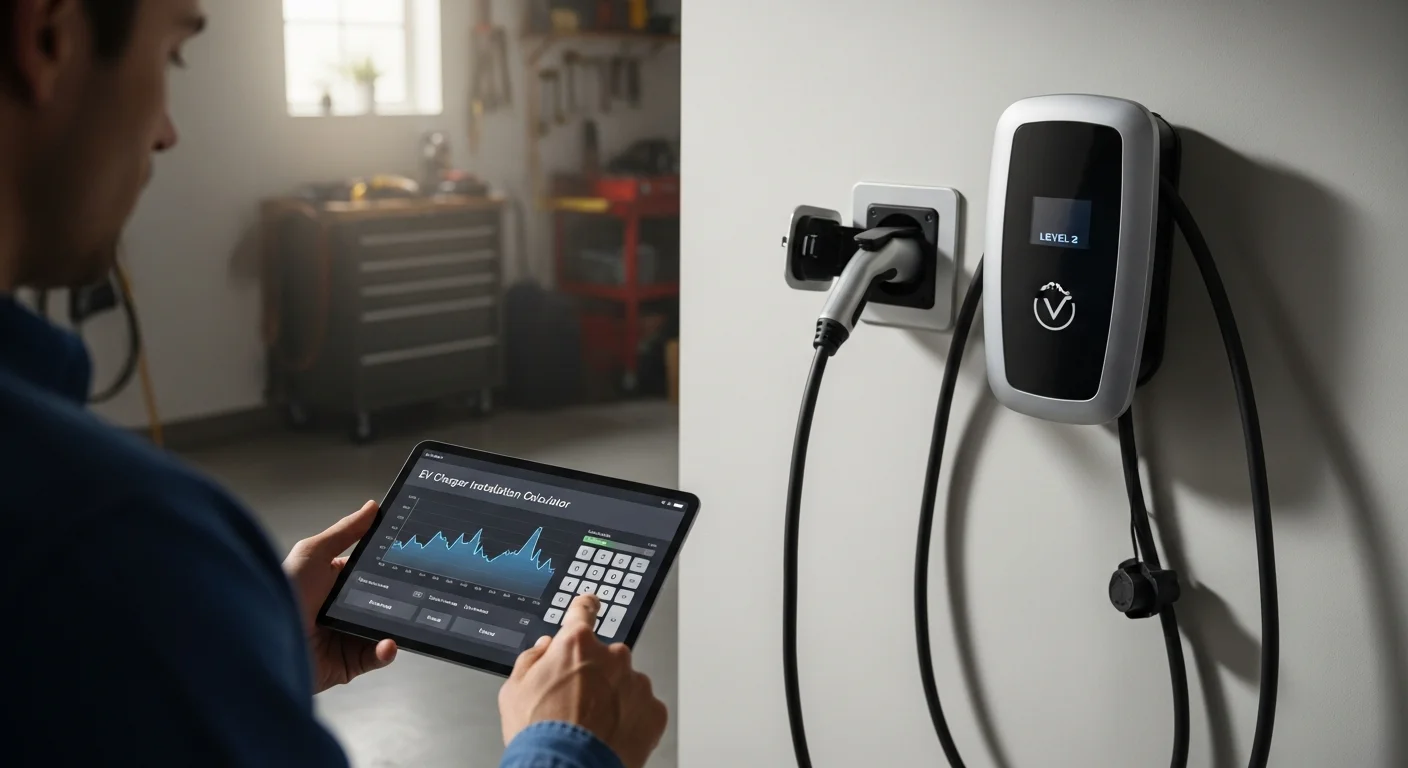
Switching to an electric vehicle is a major milestone in reducing your carbon footprint and saving on fuel costs. However, the transition often comes with the logistical challenge of deciding on a car charger ev installation at your primary residence. While Level 1 charging is possible via a standard outlet, most owners find it insufficient for daily needs.
As an expert in Orange County home savings, I have seen how a well-planned installation can maximize efficiency. Understanding the variables involved—from electrical panel capacity to local incentives—is crucial for every new EV owner. This guide breaks down exactly what you need to know to get the best value for your investment.
Understanding EV Home Charging Station Cost
EV Charger Installation Calculator
Buy NowEquipment and Hardware Expenses
The first component of your budget is the hardware itself. High-quality Level 2 stations generally range from $400 to $900 depending on features like Wi-Fi connectivity and smart scheduling. According to the U.S. Department of Energy, choosing ENERGY STAR certified equipment can further reduce long-term energy consumption.
Labor and Electrical Upgrades
Labor costs vary significantly based on the proximity of your electrical panel to the charging location. If your home requires a panel upgrade to support a 40-amp or 50-amp circuit, you may see additional costs. Research from the National Renewable Energy Laboratory indicates that labor typically accounts for nearly half of the total installation price.
The Benefits of Level 2 Charger Installation
Faster Charging Speeds
Level 2 chargers operate on 240 volts, providing roughly 25 miles of range per hour of charging. This is a massive improvement over Level 1, which may only provide 4 miles per hour. This speed ensures your vehicle is fully charged every morning, regardless of your previous day's mileage.
Smart Scheduling and Cost Savings
Many Level 2 systems allow you to schedule charging during off-peak hours. This is essential for taking advantage of Time-of-Use (TOU) rates offered by utility companies. By charging when electricity is cheapest, you can drastically reduce your monthly utility bill.
Ready to estimate your specific costs?
Use the Installation Calculator →How to Use an EV Charger Installation Calculator
Inputting Your Property Details
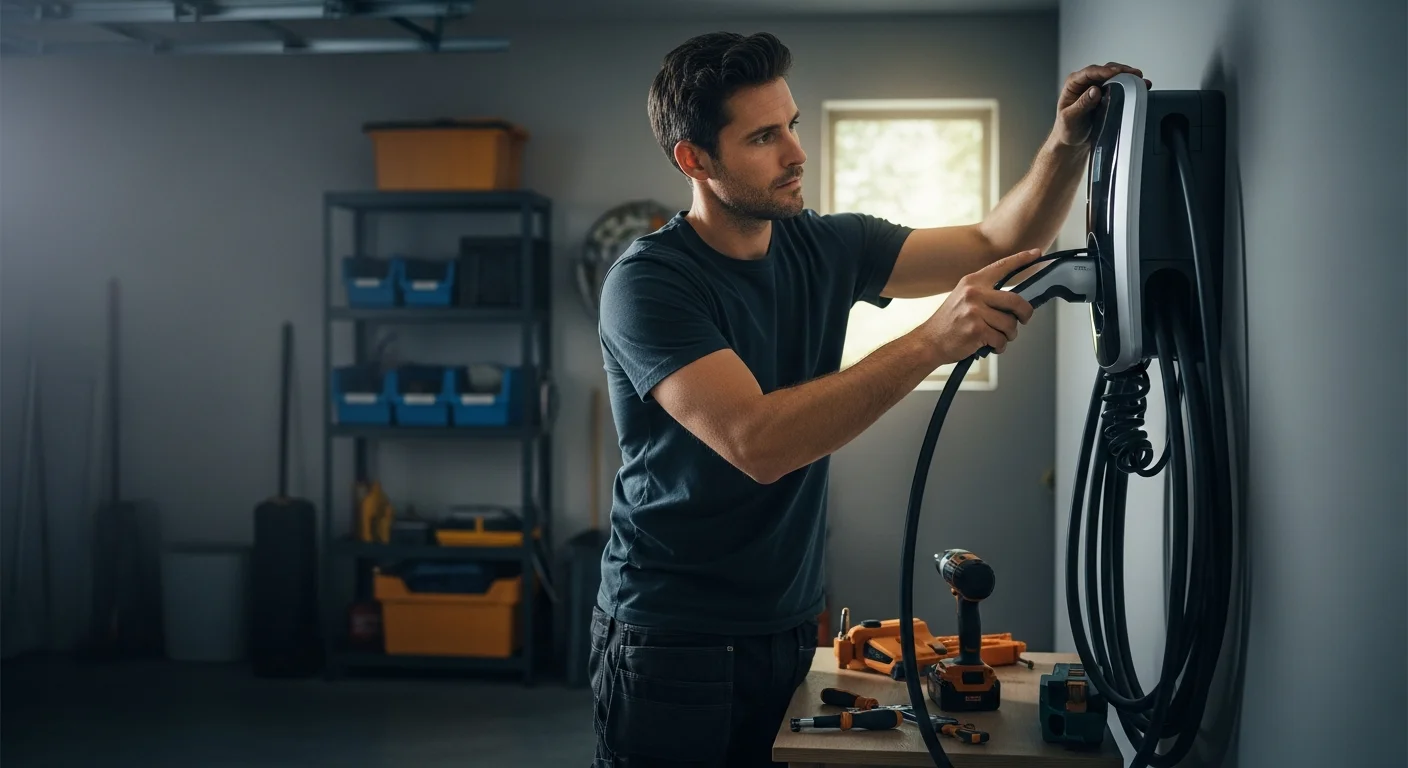
To get an accurate estimate, you will need to know your panel's current amperage and the distance from the garage to the panel. Our calculator takes these variables into account to provide a realistic labor estimate. This prevents "sticker shock" when the electrician arrives for the final walkthrough.
Calculating Local Rebates
Different zip codes in California offer varying levels of support. Some utility programs cover the entire cost of the permit or a portion of the hardware. Using a calculator ensures you aren't leaving money on the table when planning your upgrade.
Choosing the Right car charger ev for Your Home
Hardwired vs. Plug-In Models
A hardwired car charger ev is permanently connected to your electrical system, allowing for higher amperage and faster charging. Plug-in models use a NEMA 14-50 outlet, which offers more flexibility if you move or need to replace the unit easily.
Durability and Weatherproofing
If you plan to install your station outdoors, check for NEMA 3R or NEMA 4 ratings. These certifications ensure the unit can withstand rain, snow, and extreme temperatures. Quality materials are a hallmark of a reliable car charger ev that will last for years.
Don't miss out on available tax credits!
Check Your Eligibility Now →Federal Tax Credit for EV Chargers and Local Rebates
The 30C Alternative Fuel Credit
As stated by the Internal Revenue Service (IRS), homeowners in eligible census tracts can claim a credit for 30% of the cost of hardware and installation, up to $1,000. This federal incentive significantly lowers the barrier to entry for Level 2 setups.
Orange County Local Programs
Local utilities like Southern California Edison often provide specific rebates for residential customers. These programs change frequently, so it is important to check the current status of the Clean Fuel Reward or similar local initiatives before starting your project.
Residential EV Charging Benefits vs Public Stations
Cost Per Kilowatt-Hour
The Environmental Protection Agency (EPA) notes that EV owners save thousands in fuel costs over the life of the vehicle. Public fast chargers often charge a premium for convenience, whereas home charging allows you to pay standard residential utility rates.
Convenience and Battery Health
Frequent use of DC fast chargers can degrade your battery faster over time. Standard Level 2 home charging is gentler on battery chemistry, potentially extending the lifespan of your vehicle. Plus, you avoid the time spent waiting at a public station.
| Charging Level | Estimated Cost | Speed (Miles/Hr) |
|---|---|---|
| Level 1 (120V) | $0 (Included) | 3 - 5 miles |
| Level 2 (240V) | $800 - $2,000 | 25 - 40 miles |
Find out how much you can save today.
Open Savings Calculator →
Frequently Asked Questions
Do I need an electrician to install an EV charger?
Yes, it is highly recommended and often legally required to hire a licensed electrician for Level 2 installations. They ensure the circuit is correctly wired and your home can safely handle the increased electrical load.
How long does the installation take?
A typical installation takes between 3 to 6 hours, depending on the complexity of the wiring. If a panel upgrade is necessary, it may take a full day and require a city inspection.
What is the difference between Level 1 and Level 2 charging?
Level 1 uses a standard 120V outlet and is very slow, taking up to 50 hours for a full charge. Level 2 uses 240V and can fully charge most vehicles overnight in 6 to 10 hours.
Are there still federal tax credits available in 2024?
Yes, the federal tax credit for EV chargers (30C Alternative Fuel Refueling Property Credit) was extended. It provides a credit of up to $1,000 for qualifying residential installations through 2032.
Will a home charger increase my property value?
Many real estate experts agree that EV charging infrastructure is a desirable feature for modern home buyers. As EV adoption grows, having a pre-installed charging station can make your home more competitive in the market.
Conclusion
Investing in a dedicated home charging setup is one of the smartest decisions you can make as an electric vehicle owner. By understanding the equipment options and local financial incentives, you can enjoy the full benefit of your car charger ev while keeping costs manageable.
Proper preparation, including using our specialized cost calculator, will ensure that your installation goes smoothly and maximizes your long-term savings. Start your journey toward faster, more affordable home charging today by exploring your local rebate eligibility and hardware options.
About the Author

Written by William Corcoran, Orange County Home Savings Expert
William Corcoran has helped Orange County families save money on their homes for over 15 years. Specializing in property tax reduction and smart refinancing, he offers expert guidance you can trust. www.energybot.com www.energystar.gov
Related Articles

Ready to Find Your Savings?
Get a free personalized report showing all rebates and incentives your home qualifies for.
Get My Free Report