Optimizing Home Efficiency: How to Determine the Ideal HVAC Capacity for 2026
Key Takeaways
- Accurate HVAC sizing is essential for maintaining energy efficiency and reducing monthly utility costs.
- Modern heat pumps offer a dual solution for heating and cooling with superior efficiency ratings in 2026.
- Environmental factors like insulation quality and window orientation significantly impact your total BTU requirements.
- State and federal incentives for energy-efficient upgrades can significantly offset the initial cost of high-performance systems.
As we navigate the Winter 2026 season, homeowners in Orange County are increasingly focused on reducing energy consumption without sacrificing comfort. Choosing the right heating and cooling system is a complex decision that starts with understanding exactly how much power your home requires. Utilizing a professional btu calculator is the most effective way to ensure you are not overpaying for equipment that is too powerful or suffering from a system that cannot keep up with extreme temperatures.
Properly sizing your equipment is no longer just about comfort; it is a critical component of sustainable living. According to the U.S. Department of Energy, an incorrectly sized HVAC unit can lead to poor humidity control and significantly shortened equipment lifespans. By taking the time to calculate your specific needs, you can transition to high-efficiency technology like modern heat pumps with confidence.
Want to see your potential savings?
Try Our Savings Calculator →Understanding HVAC Capacity: Why Room Size Matters
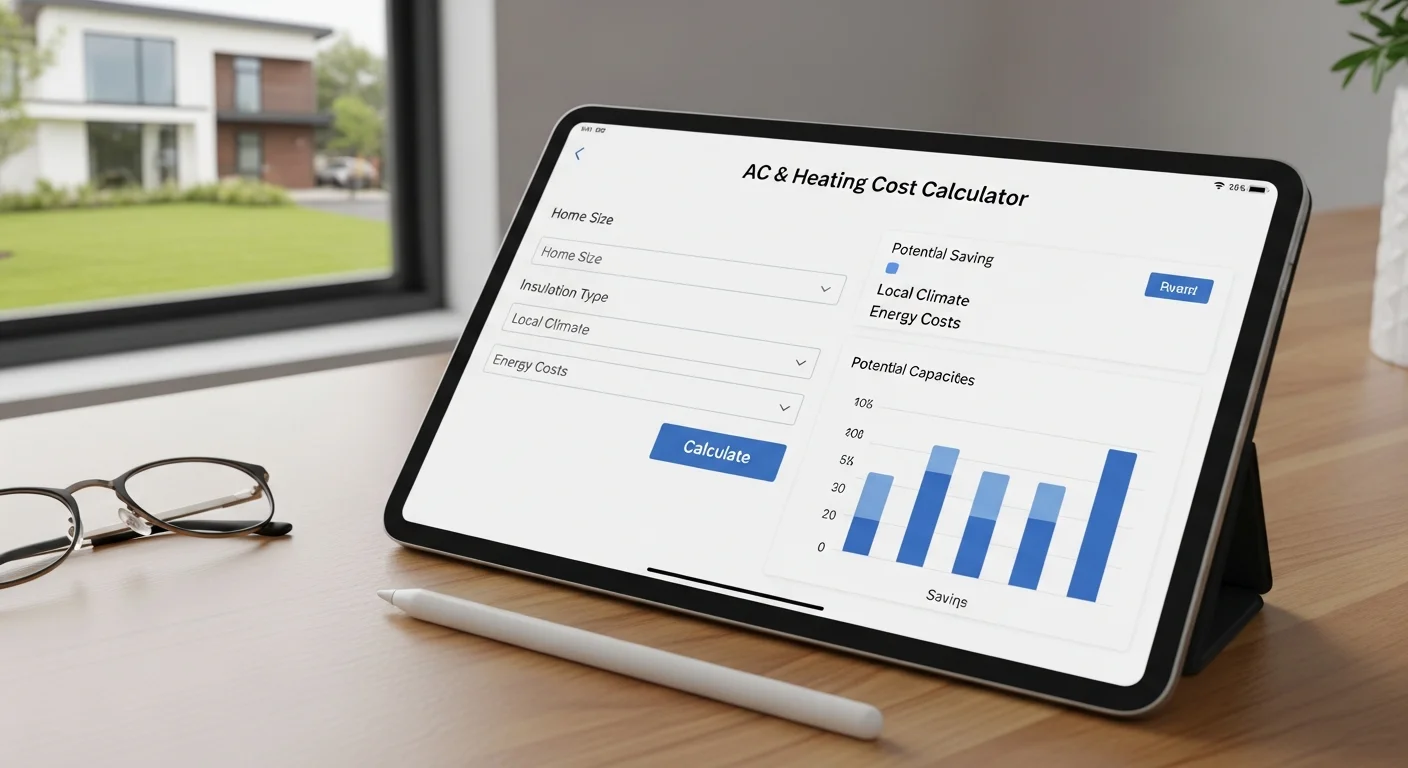
AC & Heating Cost Calculator
Buy NowMeasuring Square Footage for Heating
The primary factor in determining your heating and cooling needs is the total square footage of the conditioned space. For a standard home, you generally need about 20 BTUs per square foot, but this can vary based on local climate trends in 2026. Accurate measurements of every room, including hallways and closets, ensure the system maintains an even temperature throughout the home.
The Impact of Insulation on BTU Needs
Insulation acts as a thermal barrier, and its quality directly affects how many BTUs your system must generate. Homes with modern, high-R-value insulation require significantly less energy to maintain comfort. As noted by Wikipedia's guide on building insulation, improving your home's envelope is often the most cost-effective way to lower your equipment requirements.
How to Use a BTU Calculator for Your 2026 Upgrade
Key Inputs for Accurate Calculations
When you use a btu calculator, you must provide more than just square footage. You will need to account for the number of residents, the quantity of windows, and the type of roofing. These variables help the algorithm determine the "load" on your house, ensuring the final equipment choice is precise for your specific environment.
Factoring in Window Exposure and Ceiling Height
Large, south-facing windows can increase cooling loads in the summer while providing passive heating in the winter. Similarly, high vaulted ceilings increase the volume of air that needs to be treated, even if the floor square footage remains the same. Modern tools take these 2026 architectural trends into account to provide a realistic capacity estimate.
Ready to upgrade your home comfort?
Get Your Free Estimate Now →Energy Efficient Heat Pumps vs Traditional Systems
Operational Efficiency in Southern California
In the temperate climate of Orange County, heat pumps have become the gold standard for efficiency in 2026. Unlike furnaces that burn fuel to create heat, heat pumps move heat from one place to another. This process can be up to 300% to 400% efficient, offering massive savings on monthly utility bills compared to traditional gas-fired alternatives.
Long-term Savings with Modern Heat Pump Tech
The initial results from a btu calculator help you avoid over-investing in capacity you don't need. When paired with variable-speed compressors, these systems run at lower speeds for longer periods, maintaining a perfectly steady temperature and using less electricity than older, single-stage models that cycle on and off frequently.
| System Type | Typical Efficiency | 2026 Benefit |
|---|---|---|
| Gas Furnace | 80% - 98% AFUE | Reliable heating for coldest nights |
| Standard AC | 14 - 20 SEER2 | Proven cooling for local summers |
| Heat Pump | 300%+ Efficiency | Combined heating and cooling savings |
Maximizing Incentives for HVAC Upgrades in Orange County
Federal Tax Credits and Local Rebates
In 2026, many homeowners can claim significant tax credits for installing energy-efficient systems. The Inflation Reduction Act continues to provide financial relief for those choosing heat pumps. Additionally, local utility providers in Orange County often offer instant rebates that further lower the purchase price of high-efficiency equipment.
Calculating ROI on High-Efficiency Systems
While the upfront cost of a premium system might be higher, the return on investment is realized through lower monthly bills. According to Energy Information Administration data, space heating and cooling represent the largest energy expense for most households. Reducing this load through smart sizing is the fastest way to achieve home savings.
The Dangers of Over-Sizing or Under-Sizing Your System
Short Cycling and Humidity Issues
An oversized system will reach the thermostat setting too quickly and shut off before it can properly dehumidify the air. This results in a "clammy" feeling and increased wear on the compressor. When utilizing a btu calculator for heat pumps, ensure you are aiming for the sweet spot where the unit runs long enough to maintain both temperature and air quality.
Excessive Wear and Tear on Equipment
Conversely, an undersized system will run constantly, struggling to reach the target temperature on hot Orange County afternoons or chilly winter nights. This leads to premature system failure and inflated energy bills. Professional load calculations protect your investment and ensure your system lasts for its full expected 15-20 year lifespan.
Stop guessing and start saving today!
Calculate Your HVAC Savings →Frequently Asked Questions
What is the standard BTU per square foot for Orange County homes?
For most homes in Southern California, a range of 20 to 25 BTUs per square foot is typical. However, homes with high ceilings or poor insulation may require up to 30 BTUs. It is always best to consult a professional to perform a detailed Manual J calculation.
How do I know if my current AC is the wrong size?
If your system cycles on and off every few minutes (short-cycling) or if it runs all day without reaching the set temperature, it is likely incorrectly sized. High humidity indoors despite the AC running is also a major red flag that the unit is too large for the space.
Are heat pumps effective in Winter 2026?
Yes, modern cold-climate heat pumps are incredibly effective even in temperatures well below freezing. In the mild Winter 2026 climate of Orange County, they provide more than enough heating capacity while maintaining much higher efficiency than electric baseboards or gas furnaces.
Will a larger HVAC system keep my house cooler?
Not necessarily. A system that is too large will cool the air quickly but won't run long enough to remove moisture. This leaves the air feeling damp and uncomfortable. Sizing based on precise load calculations is the only way to ensure true comfort.
Can I use an online BTU tool to buy my own equipment?
Online tools provide a great estimate, but they should be used as a starting point. A professional contractor should verify the results to account for ductwork capacity and specific structural nuances before you commit to a purchase.
Conclusion
Investing in the right HVAC system is one of the most significant decisions you can make for your home's long-term comfort and value. By starting with an accurate btu calculator, you empower yourself with the data needed to make an informed choice. Whether you are upgrading to a high-efficiency heat pump or replacing an aging furnace, proper sizing ensures that every dollar you spend contributes to a more efficient, comfortable living environment.
As technology continues to advance in 2026, the potential for home energy savings has never been greater. Take the first step toward a more sustainable home by evaluating your current needs and exploring the incentives available in your area. With the right system and professional guidance, you can enjoy perfectly tempered air while keeping your utility costs at an absolute minimum for years to come.
About the Author

Written by William Corcoran, Orange County Home Savings Expert
William Corcoran has helped Orange County families save money on their homes for over 15 years. Specializing in property tax reduction and smart refinancing, he offers expert guidance you can trust. www.energybot.com www.energystar.gov
Related Articles


Ready to Find Your Savings?
Get a free personalized report showing all rebates and incentives your home qualifies for.
Get My Free Report