2026 ADU Construction Costs: The Complete Guide to Accessory Dwelling Unit Benefits and Financing
Key Takeaways
- ADU construction costs in 2026 vary based on material selection and square footage
- Homeowners can see significant property value increases with a detached secondary unit
- New 2026 zoning laws in California have streamlined the permit approval process
- Rental income from granny flats often covers the monthly financing costs
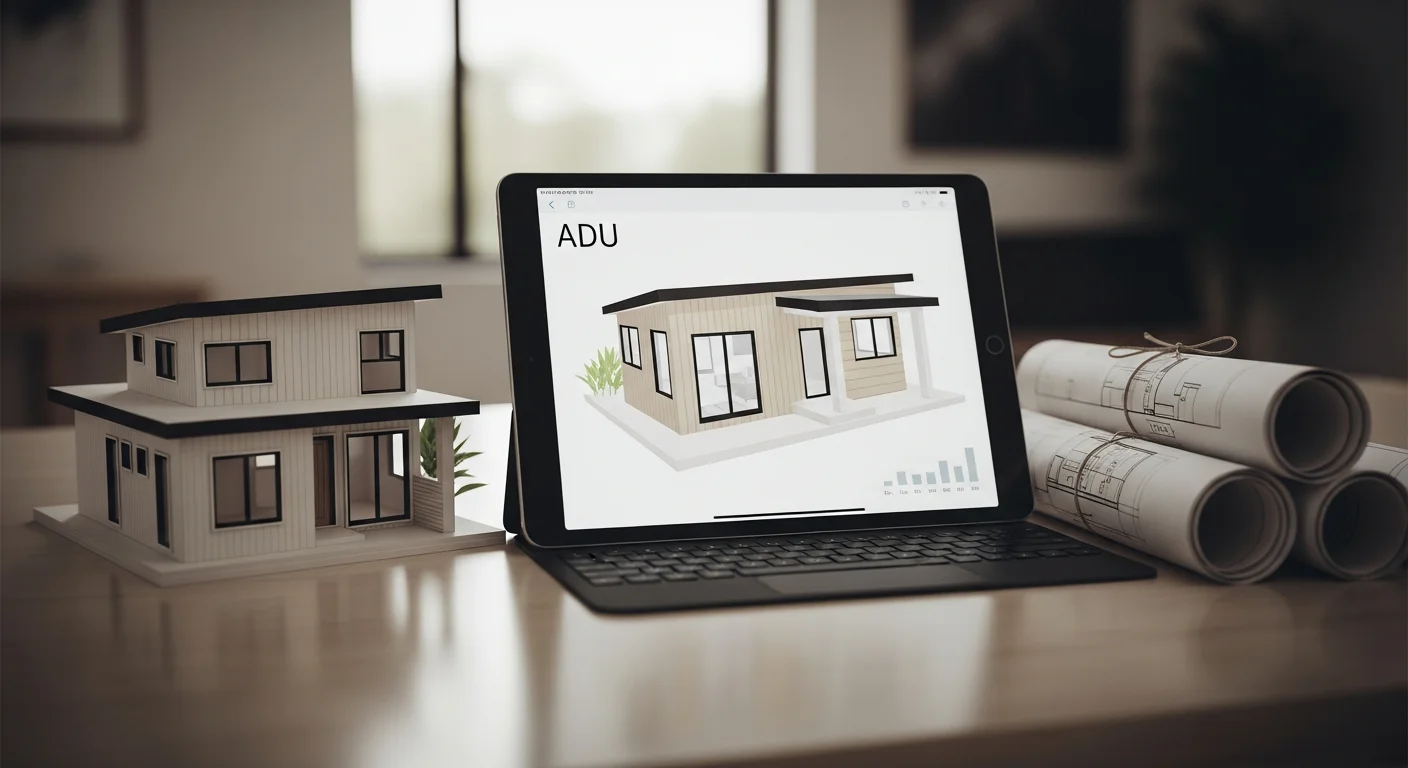
The landscape of adus housing has undergone a massive shift as we enter the winter 2026 season. With housing inventory remaining tight across Orange County, more homeowners are looking toward their own backyards for solutions. Whether you are looking to house an aging parent or generate extra rental income, the modern accessory dwelling unit (ADU) is a versatile and valuable asset.
According to the California Department of Housing and Community Development, ADUs have become a critical component in addressing the statewide housing shortage. By utilizing existing land, these units provide high-quality living spaces without the massive overhead of new traditional developments.
Understanding the Rise of ADUs Housing in 2026
ADU / Granny Flat Cost Calculator
Buy NowThe Shift Toward Multi-Generational Living
In 2026, many families are consolidating households to combat rising costs. The trend of multi-generational living has fueled the demand for detached living spaces that offer privacy while maintaining proximity to family members.
Technological Advancements in Construction
Modern construction techniques have reduced the time it takes to build these units. From high-quality prefabricated modules to 3D-printed components, the efficiency of creating new living spaces has never been higher than in current adus housing projects.
Want to know exactly what your ADU will cost in 2026?
Calculate Your ADU Costs Now →Calculating ADU Construction Costs in 2026
Material and Labor Trends
Supply chain stabilization in 2026 has brought more predictability to material costs. However, skilled labor remains in high demand, making it essential to budget for professional contractors who specialize in accessory units.
Site Preparation and Utility Hookups
One of the most overlooked expenses is site preparation. Grading your land and extending sewer, water, and electrical lines from the main house can account for 10-15% of your total budget.
Top Accessory Dwelling Unit Benefits for Homeowners
Passive Income Opportunities
Renting out your ADU can provide a steady stream of passive income. In high-demand markets like Orange County, a well-designed 1-bedroom unit can command significant monthly rent, often exceeding the mortgage payment for the construction loan.
Equity and Resale Value
According to research from the Terner Center for Housing Innovation, adding an ADU can increase your property value by an average of 20-30%. This makes adus housing one of the best ROI-focused home improvements available today.
Estimate the value an ADU adds to your property today.
Use the ADU ROI Calculator →Financing Options for Your New Granny Flat
HELOCs and Cash-Out Refinancing
Leveraging your existing home equity is the most common way to fund an ADU. Home Equity Lines of Credit (HELOCs) provide flexible access to funds as you hit specific construction milestones.
Specialized ADU Loans
Many lenders in 2026 now offer specific loan products designed for accessory units. These often take the future rental income or the projected post-construction value into account when determining your borrowing limit.
Navigating ADU Permits and Regulations
State-Level Protections
State laws have limited the ability of local cities to block ADU projects. In 2026, most jurisdictions are required to approve applications within 60 days, provided they meet standard safety and zoning codes.
Setback and Size Requirements
Standard regulations typically allow for units up to 1,200 square feet. It is crucial to check with your local planning department regarding specific setback requirements—often as little as 4 feet from side and rear property lines.
ADU vs Home Addition: Which is Better for Your Property?
| Feature | Detached ADU | Home Addition |
|---|---|---|
| Privacy | High - Separate Entrance | Moderate - Shared Walls |
| Rental Potential | Excellent | Limited |
| Permit Complexity | Lower (State Protected) | Higher (Local Zoning) |
Cost Comparison
While a detached unit may have a higher upfront cost due to foundation and utility work, the long-term rental value usually outweighs a standard room addition. Modern adus housing designs maximize every square foot for efficiency.
Frequently Asked Questions
How much does an ADU cost per square foot in 2026?
In 2026, costs typically range from $300 to $500 per square foot depending on finishes and site conditions. Prefabricated units may offer a lower entry point compared to fully custom architectural builds.
Can I build an ADU if I have an HOA?
California state laws have significantly limited the power of HOAs to prohibit ADUs. While they can enforce certain aesthetic guidelines, they generally cannot block the construction of a legally permitted unit.
Do I need a separate address for my ADU?
Yes, most cities will assign a separate address (like "Unit B" or "1/2") to the accessory unit. This is essential for mail delivery and for tenants to set up their own utility accounts.
How long does it take to build an ADU?
The timeline typically spans 6 to 12 months from design to completion. This includes roughly 2-3 months for permitting and 4-9 months for actual construction and inspections.
Will building an ADU increase my property taxes?
The construction will trigger a blended assessment where the new square footage is taxed at current rates. However, the original home maintains its base year value under California tax laws.
In conclusion, investing in adus housing is one of the most strategic financial decisions a homeowner can make in 2026. By providing a combination of immediate utility, long-term rental income, and substantial property appreciation, these units solve both personal and financial housing needs. According to data from the U.S. Census Bureau, the trend of high-density living in suburban areas is only expected to grow through the end of the decade.
As you plan your project, remember that the key to success lies in accurate budgeting and choosing the right partners. Whether you are building in Orange County or beyond, understanding the specific costs and regulations of 2026 will ensure your project stays on track and within budget.
Ready to start your ADU journey with William Corcoran?
Get Your Free Estimate Today →About the Author

Written by William Corcoran, Orange County Home Savings Expert
William Corcoran has helped Orange County families save money on their homes for over 15 years. Specializing in property tax reduction and smart refinancing, he offers expert guidance you can trust. www.energybot.com www.energystar.gov
Related Articles
Ready to Find Your Savings?
Get a free personalized report showing all rebates and incentives your home qualifies for.
Get My Free Report